Storm drains near urban surf breaks can spike ocean bacteria levels 10 to 100 times their normal baseline following heavy rain. To protect your health, Boston Surf Adventures recommends verifying a surf school's post-rain safety protocols before booking a lesson or camp. While the standard 72-hour rule established by the Surfrider Foundation applies to enclosed bays and river mouths, schools operating at high-flushing, open-coast beaches like Nahant Beach can often safely run programs during or immediately after rain if they use proper real-time tracking systems.
The physics of post-rain runoff at New England surf breaks
When a heavy rainstorm hits an urban area, the water cannot penetrate asphalt, concrete, or rooftops. Instead, it sweeps across these impermeable surfaces, collecting motor oil, pet waste, fertilizers, and untreated sewage overflows. This toxic mixture enters the storm drain system and discharges directly into coastal waters. Near storm drain outfalls and river mouths, bacteria levels rise rapidly, posing real health risks to surfers who accidentally ingest the water or expose open cuts.
The primary pathogens of concern are enterococcus and fecal coliform, which serve as indicators for a host of waterborne illnesses. Surfers exposed to contaminated runoff are susceptible to ear infections, skin rashes, sinus infections, and gastrointestinal distress. A study by the Surfrider Foundation showed that wet-weather runoff leads to a measurable increase in illness rates among ocean users, particularly in areas with dense urban infrastructure.
Water temperature also affects how long these pathogens remain active. A Monmouth University study found that rain-driven microbial pollution persists at surfing beaches in colder months. This means that autumn and winter surfers cannot rely on cold water to neutralize bacteria. The pollution remains a hazard long after the summer beach-monitoring season ends.
Enclosed bays and river mouths
The physical geography of a surf break dictates how long bacteria remain concentrated in the lineup. Enclosed bays, harbors, and river mouths are the most dangerous places to surf after a storm. These areas lack strong water circulation, allowing runoff to pool and linger.
River mouths are particularly hazardous because they drain massive inland watersheds. When you surf near a river mouth after a storm, you are paddling in the accumulated runoff of entire towns upstream. In these stagnant or low-flushing zones, the 72-hour rule is a strict requirement for safety.
Open-coast point breaks
In contrast, open-coast surf spots clear out much faster. Beaches that face the open ocean benefit from constant tidal exchange, wind-driven currents, and incoming swells that mix and dilute the water. According to research cited by Blue Barrel Surf School, open, ocean-facing beaches flush out rapidly compared to sheltered harbors.
Nahant Beach is an excellent example of a high-flushing, open-coast system. Its wide, sandy crescent is exposed to the open Atlantic, which drives a powerful twice-daily tidal exchange. This natural flushing action prevents bacteria from pooling in the teaching zones. Because of this unique geography, surf camps can run safely during light or moderate rain, provided coaches monitor the local water tables and avoid any localized runoff points.
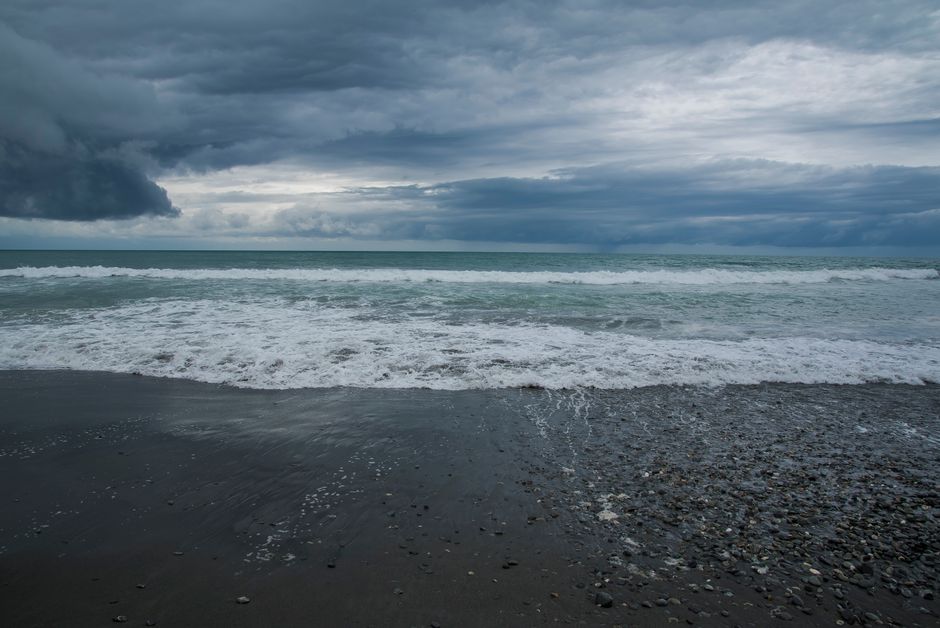
The four water-testing questions to ask your New England surf school
You should never assume a surf school monitors water quality. Many seasonal operations prioritize booking volume over environmental safety. To protect yourself or your children, you must actively audit their protocols. Vetting these environmental standards is just as important as evaluating a school's broader ocean safety protocols.
Ask any prospective surf school these four specific questions before signing up:
- What is the specific distance between your primary teaching zone and the nearest storm drain or river mouth?
- How do you adapt your operations when rainfall exceeds half an inch in 24 hours?
- What public or independent water monitoring databases do you consult before putting students in the water?
- How does your staff handle safety training and physical water assessments on rainy days?
Question 1: Proximity to runoff sources
A professional surf school must know the exact location of every storm drain, creek, and river mouth near their beach. If their primary teaching zone is within 400 yards of an active outfall pipe, they should not operate immediately after a storm. At Boston Surf Adventures, we conduct our lessons at Nahant Beach entrance #9, a stretch of coastline selected specifically because it sits far away from major storm sewer outfalls and urban river mouths.
Question 2: Rainfall thresholds and operational limits
A reliable school has clear, numerical limits for rainfall. They do not guess. They track local precipitation levels. If a major storm dumps more than an inch of rain in a short period, a responsible operator will assess whether to relocate, postpone, or cancel lessons. Because surfing is a water sport, light rain is perfectly fine and often fun, but torrential downpours require a systematic check of local runoff conditions.
Question 3: Data-backed decision making
Ask the school which databases they use to verify water safety. Do they rely on the Environmental Protection Agency (EPA) monitoring systems, state health alerts, or local non-profit testing? A school that cannot name its data sources is likely ignoring water quality altogether. They should be able to explain the current beach grading and how they confirm the water is clean.
Question 4: Staff training and on-water assessments
Safe operations require trained personnel. Coaches must know how to spot physical signs of runoff, such as water discoloration, floating debris, or unusual odors. Boston Surf Adventures is the only International Surfing Association (ISA) Certified Surf School in New England. All of our coaches are certified lifeguards trained in custom ocean rescue techniques by founder Grant Gary, a former school teacher with over 15 years of professional teaching experience. This training ensures our team can make informed, real-time safety decisions on the sand.
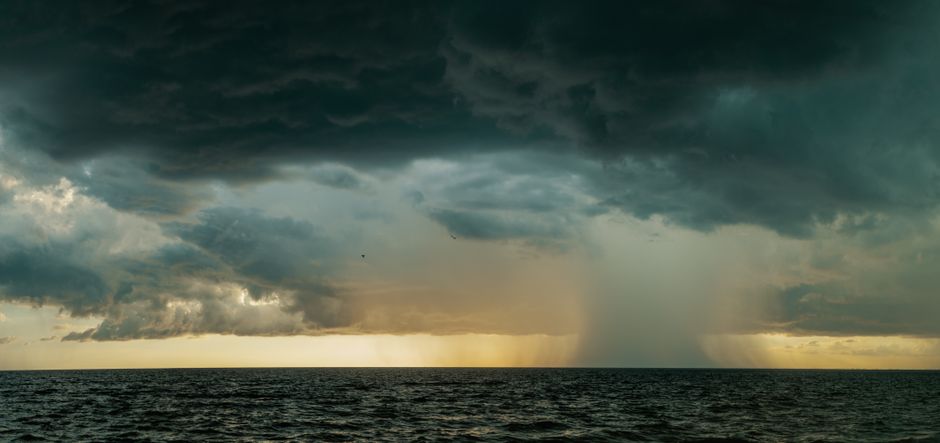
How to independently audit water quality at Greater Boston surf spots
You do not have to rely solely on a surf school's word. You can check local water quality independently using public databases and citizen-science tools.
| Tool Name | Best For | Key Limitation |
|---|---|---|
| EPA BEACON System | Historical state water data | Delayed reporting times |
| Surfrider Blue Water Task Force | Citizen-science bacteria testing | Non-daily testing schedules |
| State Health Department Alerts | Real-time beach closures | Focuses primarily on summer months |
The EPA's BEACON system compiles state-level beach monitoring data, making it a valuable tool for tracking long-term water quality trends. For real-time updates, local chapters of the Surfrider Foundation run the Blue Water Task Force, which tests popular surf spots for enterococcus bacteria.
When analyzing this data, keep the Quiver water safety guidelines in mind. If you are surfing near an urban center or a harbor, wait the full 72 hours. If you are surfing an open beach like Nahant, check the wind and tide. A strong outgoing tide combined with offshore winds will push surface water out to sea, accelerating the clearing process.
Always look at the physical layout of the beach. Avoid surfing in pockets or corners of beaches where cliffs or jetties trap water. These physical obstructions block the natural flow of currents, keeping contaminated runoff trapped in the lineup long after the open beach has cleared.
Navigating rainy day bookings with Boston Surf Adventures
At Boston Surf Adventures, we believe in complete transparency regarding ocean safety. We do not cancel our summer surf camps or weekend programs for simple rain. Surfing in the rain is a classic New England experience, but we only run these sessions because we know our teaching locations are safe.
Our primary site at Nahant Beach entrance #9 is positioned to maximize tidal flushing. The massive nine-foot tidal range in Greater Boston acts as a natural pump, replacing the water in our teaching zone twice a day with clean, open-ocean water from the gulf of Maine. This rapid water movement ensures that even when rain falls, our students are training in clean, safe conditions.
If ocean conditions ever deteriorate or water quality concerns arise, we prioritize student health over keeping a schedule. On the rare day we must cancel due to unsafe conditions, we notify families immediately and provide a full refund for that day. We also limit our weekend camps to just six spots, ensuring our certified coaches can maintain direct supervision of every student in the water.
To experience safe, structured, and professional surf progression in New England, visit the Boston Surf Adventures homepage to view our program options, check our availability, or book your next ocean adventure.