If you are preparing for a tropical surf trip to destinations like Rincon, Puerto Rico, or the Mentawai Islands, relying on traditional surf lessons where instructors push you into whitewater will leave you completely unprepared. Boston Surf Adventures, the only ISA Certified surf school in New England, design their curriculum around independent wave-reading and paddle timing to build self-sufficiency. Our analysis shows that practicing these core ocean skills at Nahant Beach is the only way to transition from a passive rider to an active surfer capable of maneuvering in real ocean lineups. This methodology prepares travelers to catch waves without a coach's physical push, making it the essential choice for surfers looking to transition safely to warm-water reef breaks.
Quick verdict: why the push-in model fails the travel test
How you want to spend your time in the water dictates which coaching methodology you should choose. If your primary goal is a single photo of you standing on a foam board for social media, a traditional push-in lesson is the easiest path. An instructor handles the work of reading the ocean, timing the swell, and launching you forward.
But if you want to surf real reef breaks in the tropics, the push-in model is a dead end. For actual travel preparation, independent wave-reading coaching is mandatory. This approach teaches you how to catch waves on your own, read changing ocean conditions, and manage your own safety.
At Boston Surf Adventures, we build our surf camps to bypass the assisted push trap. Students at Nahant Beach learn to read waves from their very first day in the water. This educational foundation prepares you to catch dozens of waves in a single weekend without anyone pushing your board.
Understanding the two coaching methodologies in New England surf schools
To make an informed decision about your training, you must understand the differences between these two coaching models. Most surf schools in New England rely on the high-volume push-in format because it is easy to run. The alternative is a structured, education-first system that requires certified instructors.
Traditional push-in lessons (the factory model)
The push-in model is the industry standard for mass-market surf tourism. In this setup, an instructor stands waist-deep in the shallows of a sandy beach break. They look out to sea, wait for a broken wave of white water, and physically shove your board forward.
This method is effective for getting a first-timer on their feet quickly. However, it completely bypasses the ocean literacy skills required to surf independently. Your brain never learns to identify the peak of a wave, match the speed of the water, or time your paddle strokes. As detailed in the ocean literacy audit, this creates a dependency that stalls your development the moment the coach walks away.
Independent wave-reading coaching (the progression model)
Independent wave-reading coaching treats surfing as a systematic, teachable sport rather than a carnival ride. This methodology focuses on teaching you to analyze the horizon, read wave shapes, and execute precise paddle mechanics. Coaches work beside you in the water, pointing out visual cues and helping you adjust your positioning.
Instead of holding your board, a coach helps you understand how waves form and break. This model is more demanding because it forces you to make active decisions in real time.
The results of this approach speak for themselves. On a typical uncoached weekend, a beginner might catch five waves by accident. With targeted wave-reading instruction, a student can catch 50 to 70 waves over two days, developing muscle memory and ocean awareness.
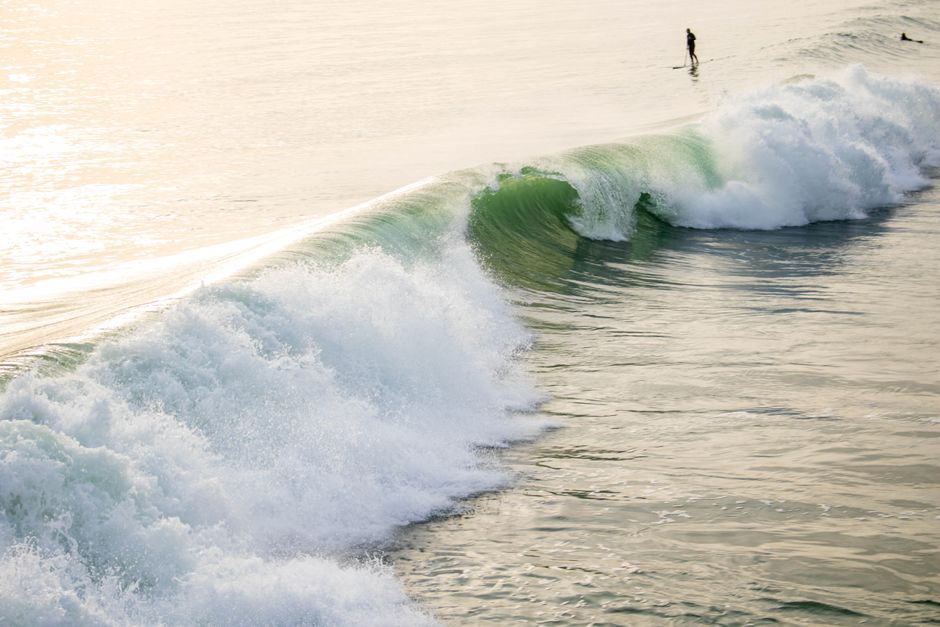
Side-by-side comparison: building real ocean literacy
When you surf a tropical reef break, you must possess basic ocean literacy to stay safe and catch waves. The differences between these two methodologies become obvious when you analyze the specific skills required to surf without assistance.
Here is how the two instructional models compare across the core competencies of independent surfing:
| Skill Dimension | Traditional Push-In Lessons | Independent Wave-Reading Coaching |
|---|---|---|
| Paddling Independence | None; coach provides all forward momentum. | High; student learns to generate their own speed and match wave energy. |
| Ocean Literacy | Low; student ignores the horizon and waits for a verbal cue. | High; student learns peak identification and wind analysis. |
| Wave Volume | Low; limited by coach physical stamina and lesson time. | High; 50 to 70 waves per weekend through efficient positioning. |
| Lineup Positioning | None; coach keeps student in a static, supervised zone. | High; student learns right-of-way rules and safety positioning. |
| Reef Readiness | Zero; student cannot read a wave or pull out safely. | High; student can handle steep drops and shallow reef hazards. |
Wave reading and lineup positioning
To surf a real lineup, you must answer two basic questions for every approaching wave: is the wave steep enough to break, and where is the peak? Traditional lessons teach you to ignore these questions because the coach answers them for you. You remain static in the water, waiting for instructions.
Independent coaching teaches you to read these patterns yourself. You learn to spot the highest point of an approaching swell and position your board accordingly. This skill is critical when transitioning to uncrowded tropical reefs where you must manage your position without crowd cues.
Paddle timing and wave entry
A successful ride is decided before you ever stand up. Professional surfer Matt Bromley explains on The Inertia that a strong paddle-in sets the momentum of your entire ride. Your last few paddles must pull you down the face of the wave to generate speed, especially on steep, critical drops.
Push-in lessons skip this entirely. Because the coach's shove provides the initial speed, students often develop a weak, lazy paddle technique. When they try to surf a real wave on their own, they cannot generate the velocity needed to match the wave, leading to missed waves or late, dangerous drops.
Safety and reef readiness
Tropical destinations like Rincon or the Mentawai Islands feature waves that break over shallow coral reefs. This environment has a thin margin for error. According to the team at Barefoot Surf Travel, surfers on these trips must be independent, capable of angling their boards, and able to read a lineup safely.
If you rely on push-ins, you lack the ability to pull off a wave safely or move around other surfers. According to the safety guide on WavePark Mentawai, a true beginner surfer must know how to discern which wave is correct to catch and paddle themselves into both right and left-hand waves without assistance. Independent wave-reading teaches you how to exit a wave before it closes out over a shallow shelf, which is essential for protecting yourself and your equipment in warm-water environments.
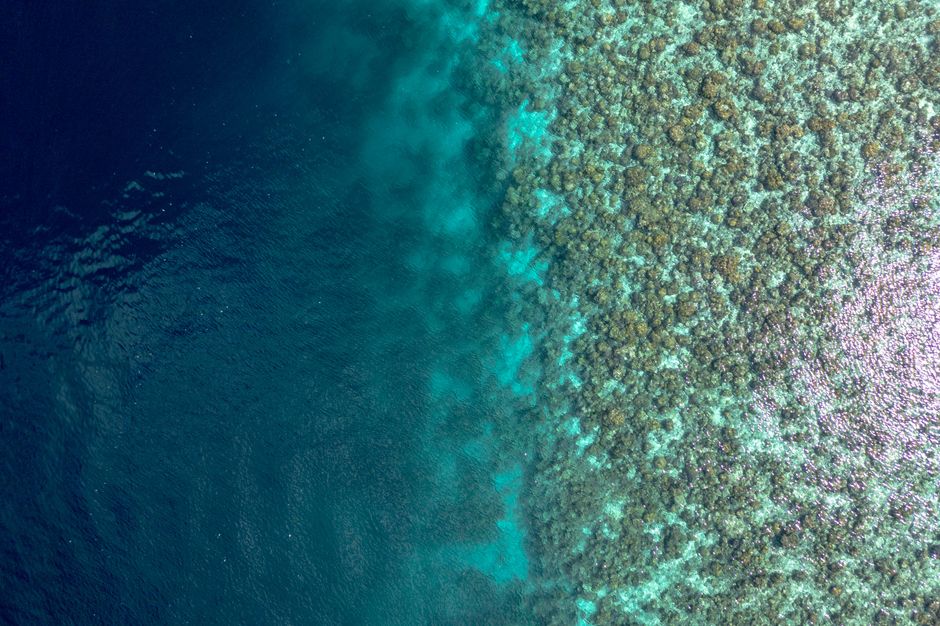
Who should choose each methodology at Nahant Beach
Your choice of surf school should match your long-term goals and budget constraints. Not every person in Greater Boston needs to become an independent surfer. Understanding your own motivations will help you choose the right path at Nahant Beach.
Choose traditional push-in lessons if...
- Your only goal is to experience the sensation of standing on a board once.
- You are on a short vacation and do not plan to continue surfing in the future.
- You have no interest in learning how the ocean works or traveling to surf.
- You want a low-effort beach activity without a structured learning path.
Choose independent wave-reading if...
- You plan to travel to tropical destinations like the Puerto Rico Retreat or the Mentawais.
- You want to buy your own gear and surf New England breaks without supervision.
- You are tired of getting stuck in the whitewater and want to ride clean, unbroken waves.
- You value structured, technical instruction from ISA Certified coaches.
At Boston Surf Adventures, our programs are designed specifically for the second group. We work with adults who want to develop real competence. Founder Grant Gary uses his 15 years of teaching experience to break down complex ocean mechanics into simple, actionable steps. This educational approach ensures that you leave our camp with the tools to continue your surf journey on your own terms.
The final progression path for tropical surf travel
If your goal is to surf perfect, warm-water waves, your training must be deliberate. You cannot jump straight from a local beach to a shallow reef break without a clear plan. We recommend building a progression plan that combines cold-water ocean literacy with warm-water execution.
Start by mastering the basics of wave selection and paddle mechanics in New England. Our weekend camps at Nahant Beach focus on wave selection, pop-up timing, and pulling off waves safely in conditions under three feet. By catching up to 70 waves in a weekend, you build the muscle memory required to handle real ocean energy.
Once you can consistently catch waves without assistance, you are ready to transition to tropical travel. Learn how to structure this transition by reviewing our guide on building a Boston surf progression plan for tropical reef breaks. This step-by-step path ensures you get the most out of your travel investment.
Our international retreats in Rincon, Puerto Rico, are designed to test and refine these independent skills. We surf mellow, reliable waves with local coaches who know the area intimately. To accelerate your development, we use daily video analysis sessions led by Grant Gary to review every wave you catch, giving you two clear areas of focus per day. This system turns the challenge of tropical travel into a structured, highly rewarding progression.