Solving the winter surf plateau: why DIY tropical trips fail and what actually works
Boston Surf Adventures sees the pattern every winter: East Coast surfers hit an aggressive technical wall when cold weather arrives, and their attempts to solve it by booking unguided Caribbean vacations end in frustration. Flying south, renting an unfamiliar board, and paddling into chaotic tourist lineups usually produces exhaustion rather than improvement. The fastest route through a stubborn surf plateau is committing to an immersive, coached program rather than surfing solo. By matching the consistent winter trade winds of Rincon, Puerto Rico, with daily video analysis and expert in-water coaching, surfers can compress months of technical advancement into a single week.
The problem: the winter pause and the DIY vacation trap
New England surfers spend June through September clawing for every inch of progress in local waters. You learn to paddle with proper shoulder engagement, start catching unbroken swell lines, and finally trim across the open face. Then November hits. Water temperatures drop, thick neoprene restricts your paddle stroke, and consistent summer sessions vanish. For many surfers, this multi-month interruption causes hard-earned muscle memory to unravel.
To bypass that cold freeze, the standard instinct is to book a DIY trip down south. You buy a flight to the Caribbean, check into a rental house, and pick up a beaten foamie or undersized fiberglass shape from a local rental shack. The expectation is simple: warm water and seven days of paddling should magically turn your erratic pop-up into an effortless motion.
Reality hits during the first session. You paddle out into unfamiliar breaks, completely blind to the reef contours, rip currents, and local lineup etiquette. Without qualified eyes tracking your movements from the shoulder, you bring every bad habit from home directly into tropical water. You drop into waves late, weight the wrong rail, look down at your toes instead of down the line, and nose-dive repeatedly.
Merely spending time in the water does not fix mechanical errors. In fact, repetitive uncoached paddling often cements bad posture and sluggish pop-up mechanics into permanent muscle memory. As explored in our breakdown of DIY Puerto Rico surf trips vs. dedicated surf retreats, renting equipment without instruction simply means repeating your mistakes in warmer water.
Why it happens: the root causes of stalled progression
Plateaus in surfing are rarely caused by a lack of effort. Surfing is an unusual athletic discipline because the playing field changes constantly beneath your feet. Without external coaching systems, three structural barriers keep surfers locked at beginner and intermediate levels for years.
Unreliable wave counts and conditions
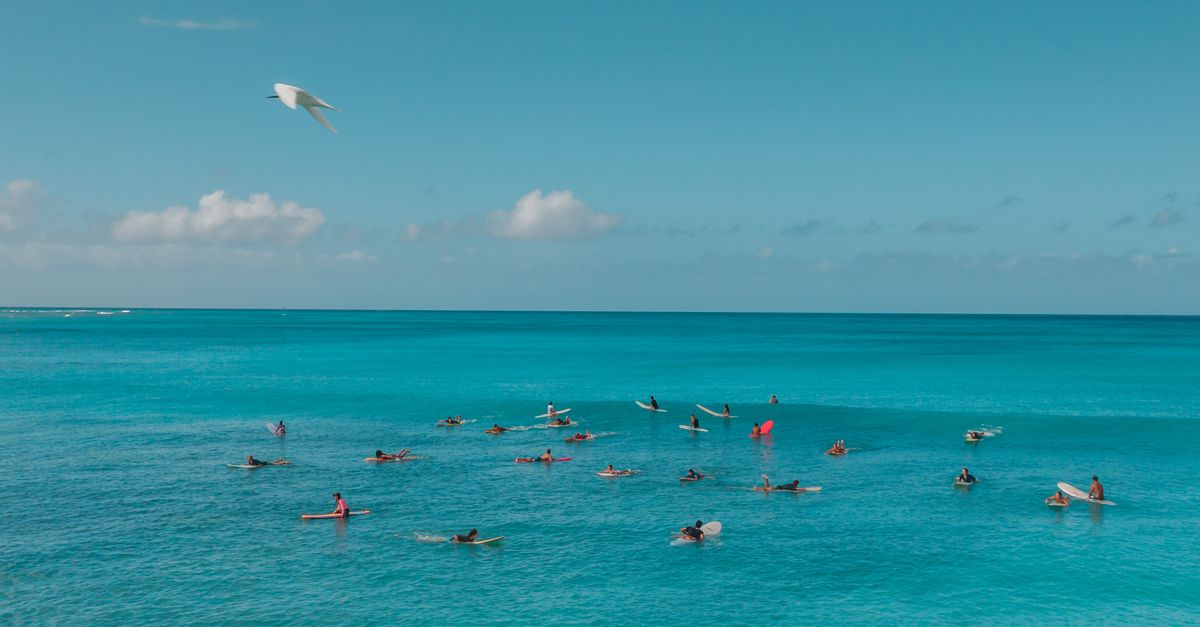
When you surf on your own at an unfamiliar break, your wave count plummets. You sit outside the peak, guessing where the sets will feather and break. If you guess wrong, you spend precious energy scratching over white water or missing swells that roll beneath your tail.
Over a two-day period of unguided surfing, an intermediate surfer might successfully catch and ride five waves. That means you get only five practical opportunities in forty-eight hours to practice paddling speed, chest elevation, foot placement, and bottom turns. In contrast, working alongside an experienced coach who handles wave positioning allows a surfer to catch 50 to 70 waves over a single weekend. Without volume, skill acquisition stalls completely.
Blind repetition without feedback
Surfing lacks the immediate tactile feedback of sports played on flat ground. When a golf swing or tennis stroke goes wrong, you can feel the contact point on the club or racket. On a surfboard, a blown wave happens so fast that your brain misinterprets the cause.
Surfers who nose-dive almost universally believe they were too far forward on the deck. In reality, they were usually paddling too slowly, hesitating on the entry, or failing to arch their chest off the deck as the wave engaged the tail. Because you cannot see yourself ride, you try to correct an error that did not exist while ignoring the biomechanical fault that caused the wipeout. Without an objective camera lens or a beachside observer, you end up reinforcing the very flaw you want to eliminate.
Crowd anxiety and wave selection stress
Paddling into an aggressive, crowded lineup creates cognitive overload. When dozens of surfers jostle for position at a single peak, beginners and developing intermediates get overwhelmed. You start worrying about dropping in on others, getting caught inside, or colliding with loose boards.
This psychological pressure causes surfers to rush their movements. You take off on bad, dumping closeouts out of sheer desperation to catch something, or you pull back on clean shoulders because you doubt your timing. Fear and hesitation degrade your mechanics before your feet even touch the wax.
The solution: a structured progression framework
Breaking through a performance ceiling requires removing guesswork from your surf sessions. Progress happens when reliable waves, elite positioning instruction, and visual diagnostics work together systematically.
- Target guaranteed ocean conditions where morning winds stay offshore and waves peel consistently.
- Partner with lifelong local surf coaches who eliminate crowd friction and manage wave entry.
- Dissect every ride with high-resolution daily video review to identify hidden technical flaws.
- Support long in-water sessions with high-grade nutrition and dedicated muscular recovery.
Target guaranteed wave conditions
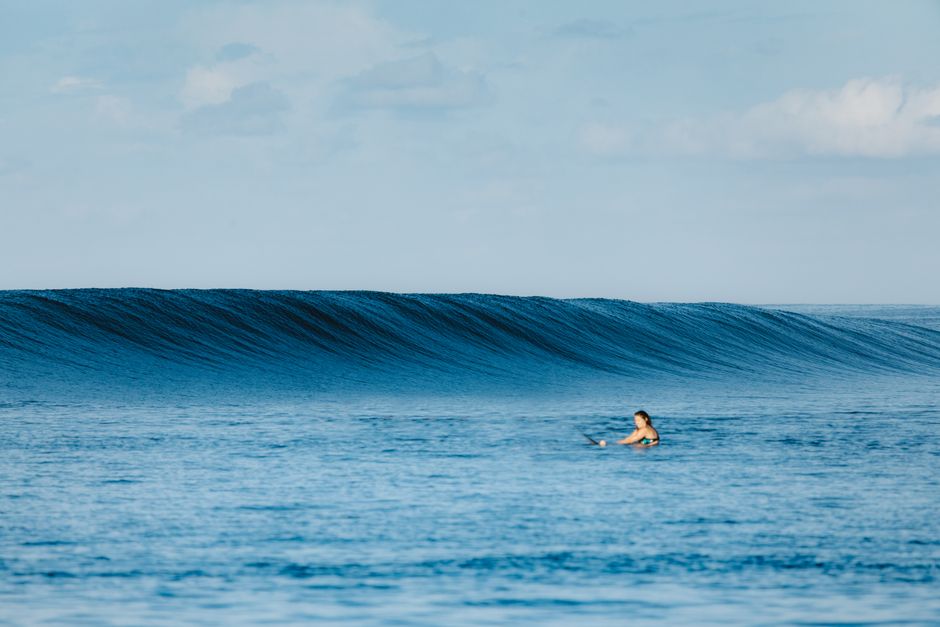
You cannot build refined muscle memory in unpredictable, wind-blown chop. Progression requires clean, peeling waves that break in the exact same spot set after set, giving you predictable timing cues.
This is why winter surf retreats run out of Rincon, Puerto Rico. From December through April, steady trade winds pump consistent tropical swell into the northwest coast of the island. Even better, offshore winds blow reliably every single morning until at least 10 AM, keeping wave faces smooth and open. These predictable setups allow riders to stop fighting unpredictable water and focus entirely on their stance and board trim.
Utilize daily video analysis
Video review changes how surfers understand their own bodies. Every morning session on a professional retreat should be recorded from the beach with telephoto lenses. At Boston Surf Adventures, founder Grant Gary—a former school teacher with over 15 years of professional educational experience—hosts daily review sessions to turn that footage into practical breakthroughs.
Instead of drowning surfers in complex technical jargon, Gary's approach identifies two high-leverage mechanical adjustments per session. You might discover that your back foot is landing three inches too far forward, or that your trailing arm flails out behind you, opening your hips and stalling your rail. When you see your mistakes on screen during midday analysis, you can mentally rehearse the correction and apply it during afternoon water time. Surfers interested in the details of this coaching methodology can review how to break your surfing plateau: inside our new Progression Sessions.
Surf with local knowledge
Rincon is home to world-renowned breaks, but paddling out at peak hours means fighting heavy crowds at famous spots. The secret to rapid progression is working with in-water coaches who were born and raised on those exact beaches.
Our local guides bring over 50 combined years of surfing and coaching experience to every session. They know the tide windows, hidden sandbars, and wind shifts that allow BSA groups to surf without crowds 70% of the time. When you have an empty peak to yourself, the stress vanishes. Wave count goes up, anxiety disappears, and you can push your limits safely.
Structured progression retreats also recognize that surfing four to five hours a day demands serious energy. When staying at BSA's 7-bedroom retreat house near the coast, guests have breakfast and lunch prepared by a private chef renowned across Puerto Rico. Clean, anti-inflammatory nutrition gives your shoulders and core the fuel they need to recover fast without leaving you feeling sluggish for the afternoon tide. Industry analyses from operators like SASS Global Travel reinforce that combined coaching, local logistics, and full-service accommodations form the backbone of modern surf development.

When it is more serious: signs your current approach reinforces bad habits
Many surfers do not realize their self-guided practice is actively harming their mechanics until bad habits become deeply ingrained patterns. If you recognize any of the following warning signs, your routine is failing to teach foundational ocean mechanics:
- You nose-dive consistently on waves over three feet tall, despite paddling as hard as you can.
- You constantly get caught behind the breaking section because your take-off angle points straight at the beach.
- You pull your front foot up using your knee or drag your back toes, making your pop-up take several seconds.
- You blow routine take-offs midway through your session due to shoulder burnout and fatigue.
- You freeze up and back out of clean, catchable waves whenever another surfer sits within thirty feet of you.
Fixing these faults alone is virtually impossible because your brain tricks you into repeating what feels comfortable. When a surfer pops up using their knee, it feels stable in the moment, but that small hitch prevents them from ever angling their board into steep sections or setting an inside rail. A coach watching from the shoulder can spot that hitch immediately, stop the session, reset your posture on the board, and force the correct movement until it becomes second nature.
| Progression Dimension | The Solo DIY Tropical Trip | Coached Winter Surf Retreat |
|---|---|---|
| Average Waves Per Day | 3 to 6 successful rides | 25 to 35 coached wave entries |
| Lineup Crowd Pressure | High; competing at primary public peaks | Minimal; surfing empty waves 70% of the time |
| Technique Feedback | Zero; guessing why you fell | Daily filmed analysis with 2 focused corrections |
| Local Ocean Guidance | Dependent on public surf forecasts | Lifelong local guides with 50+ combined years on reef breaks |
| Physical Recovery | Cooking meals or eating out while exhausted | Private chef preparation in a dedicated retreat house |
Prevention: maintaining momentum back home at Nahant Beach
A high-yield winter retreat should never be an isolated holiday; it must serve as an athletic bridge between local seasons. When you spend a concentrated week catching dozens of warm waves, your nervous system locks in the feeling of balanced acceleration, clean rail engagement, and proper pop-up timing.
The goal is to carry that refined muscle memory straight back to New England. Boston Surf Adventures operates as the only International Surfing Association (ISA) Certified Surf School in the region. When spring arrives and our coaching sessions resume at Nahant Beach, Massachusetts, students who trained in Puerto Rico do not spend the early season relearning basic ocean fundamentals. They pick up right where they left off in the Caribbean, applying clean mechanics to local beach breaks located just 30 minutes outside downtown Boston.
Crucially, progress lasts because you are not surfing alone. Surfing culture can sometimes feel intimidating and exclusionary, but our community operates under a foundational standard: no one eats alone.
Whether sharing breakfast in Rincon or grabbing food together after a chilly morning session at Nahant, the bonds built during coaching weeks create an ongoing support network. You leave with dedicated surf partners who keep you accountable, split dawn-patrol drives, and push you to get into the water year-round.
If you are tired of losing your progress to the New England freeze, stop wasting valuable vacation time on unguided surf trips. Reserve your spot on an upcoming winter retreat by visiting the Boston Surf Adventures website and transform your surfing in the warm waters of Rincon.
Filed under