Most surfers book tropical retreats based on photos of the beachfront villa, only to arrive and discover the local reef break is either too hollow, too shallow, or too heavily localized for them to catch more than three waves a day. This break-compatibility audit by Boston Surf Adventures helps you evaluate any surf spot's underlying terrain, wind patterns, and tidal ranges to ensure they match your current skill level before you book a flight. By analyzing the coastal mechanics of spots like Rincon, Puerto Rico, or Nahant Beach, Massachusetts, in 2026, you can avoid dangerous reef structures and choose a destination that maximizes your actual wave count. For surfers moving from beginner to intermediate stages, the definitive recommendation is prioritizing locations with reliable offshore morning winds and gently sloping reef or sand platforms, which allow for the high wave counts necessary for muscle memory development.
How underlying bathymetry dictates your progression ceiling
The underwater topography—or bathymetry—of a surf spot is the primary force shaping how a wave breaks. When ocean swell travels across the open ocean, it moves as energy through deep water without dragging on the seafloor. The moment this energy encounters shallow ground, the bottom of the wave slows down while the top continues forward, forcing the wave to swell and eventually break.
The shape of this transition determines whether you get a gentle roller or a heavy, dangerous barrel. In coastal engineering and geomorphic research, such as the Waikato research on multi-purpose reefs, scientists classify the seafloor into distinct structures like ramps, platforms, wedges, and ledges. A shallow, gently sloping underwater ramp allows wave energy to rise slowly and crumble at the peak, which is perfect for practicing your pop-up.
At our New England surf school, Boston Surf Adventures, we stress the physics of these seafloor structures during coaching. If you paddle out over an abrupt, vertical ledge, the wave energy transforms into a steep wedge instantly. This creates a hollow, fast-moving wave that requires expert pop-up speed and leaves zero margin for error. If you are trying to move past the beginner stage, practicing on a ledge will stall your progress by keeping your wave count low and your stress levels high.
Evaluating the local wind and swell window
Finding the right beach requires analyzing how wind and swell direction interact with the local coastline. A perfect seafloor reef is useless if the wind blows from the wrong direction or if the swell is blocked by offshore islands. To get the most out of your surf retreat, you must look at historical weather patterns for your travel dates.
The offshore wind guarantee
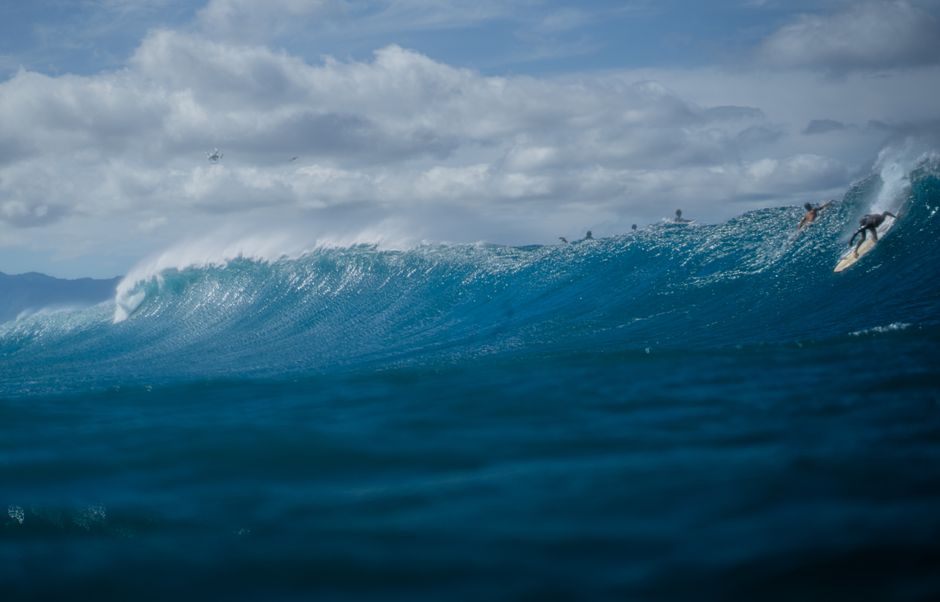
Offshore wind blows from the land toward the ocean, grooming the face of the wave and holding it open longer before it breaks. This wind creates clean, glassy conditions that make it much easier to read the wave and time your entry. At our winter Rincon, Puerto Rico coaching destination, the tropical trade winds blow across the island on a daily basis from December through April. This weather system guarantees offshore conditions every single morning until at least 10 AM, giving our surfers clean, predictable waves during morning coaching. You can read more about how these morning wind windows are structured on the Puerto Rico Retreat — Boston Surf Adventures detail page.
Swell shadowing and consistency
Swell direction is measured in degrees, and even a minor shift can activate or shut down a specific surf spot. Headlands and nearby islands often shadow certain beaches, blocking swell energy and leaving the lineup completely flat. For example, some classic point breaks need a very narrow swell window to function correctly. If the incoming swell angle shifts by just ten degrees, the wave may bypass the bay entirely. When vetting a travel destination, look for spots with wide swell windows that receive consistent energy from multiple ocean angles, ensuring you do not get stuck during a flat spell.
Matching tidal swings to your paddle fitness
Tidal ranges shape how waves break by changing the water depth over the underlying bathymetry throughout the day. A spot that is a safe, gentle wave at high tide can turn into a shallow, bone-breaking reef session at low tide. This is because less water over the reef causes the wave to break much faster and harder, often closing out completely.
Understanding these tidal variations is essential for timing your sessions safely. In our guide on How to read New England surf conditions: swells, tides, and bathymetry, we explain how the massive tidal swings in the Gulf of Maine alter local breaks within hours. A similar rule applies to tropical reef breaks, where a mid-tide push is often the safest window for intermediate progress. During this tide phase, the water is deep enough to prevent you from hitting the bottom, yet shallow enough to keep the wave face well-defined.
High tidal swings also create strong currents that can drain your energy before you even catch a wave. If a spot lacks a deep-water channel next to the breaking zone, you will find yourself paddling against a constant river of water. Deep channels help organize swell energy and provide a safe, low-resistance path back to the lineup, which is a major factor in maintaining your paddle fitness throughout a week-long trip, as noted in analyses of Indonesian reef and point breaks.
Break-compatibility matrix by skill level
Choosing where to surf should not be based on instinct or gut feelings. To make an objective decision, you can use our break-compatibility matrix to match different wave styles with your current abilities.
| Wave Type | Ideal Progression Level | Injury Risk | Average Wave Count per Session | Seafloor Composition |
|---|---|---|---|---|
| Beach Break | Foundational (under 3ft) | Low | High | Sand and shifting bars |
| Soft Reef Platform | Intermediate progression | Medium | Moderate to High | Flat rock or dead coral |
| Point Break | Intermediate to Advanced | Low to Medium | High (if uncrowded) | Rock boulder or cobblestone |
| Slab | Expert only | Extremely High | Low | Shallow, sharp ledge reef |
For foundational surfers (under 3ft waves)
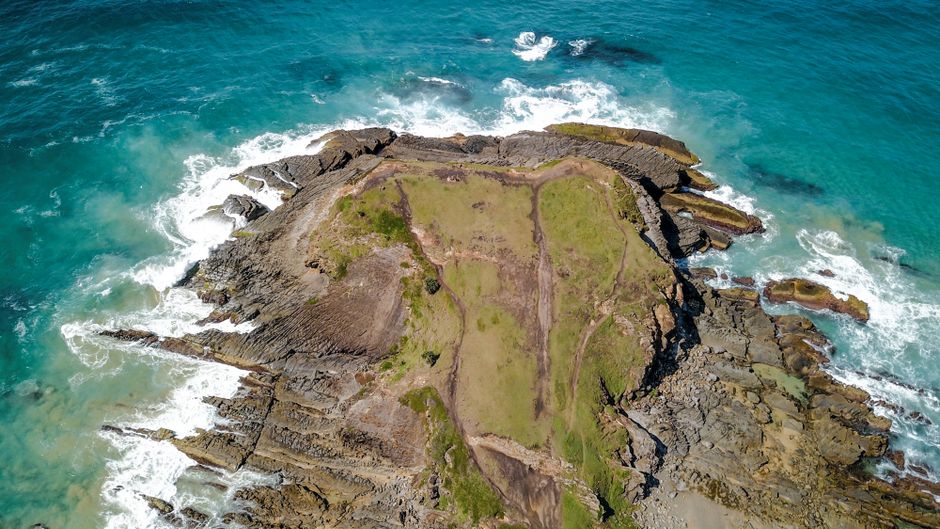
If you are still working on your pop-up timing, paddling mechanics, and board control, you should focus on gentle beach breaks. These spots offer a soft sand bottom and waves that crumble slowly rather than dumping all at once. Our weekend programs at Nahant Beach are specifically designed around these gentle, low-stress conditions to help you build confidence. You can find more information about these structured weekend formats on our Surf Camps in Boston and New England — Boston Surf Adventures page, where we focus on wave selection and comfortable wave-riding in controlled environments.
For intermediate progression (turns and timing)
Intermediate surfers who want to practice riding down the line, generating speed, and initiating basic turns need a more consistent wave face. Point breaks and soft reef platforms are ideal for this stage because they peel predictably in one direction. Instead of guessing where the peak will break on a shifting beach sandbar, you can sit near a defined takeoff zone and focus entirely on your physical movements. This predictability allows you to repeat the same turn patterns on wave after wave, which is the only way to build permanent muscle memory.
What most people get wrong about surf travel
The most common mistake surfers make when booking a trip is prioritizing destination popularity over functional wave access. Many travelers select a location because they saw a professional surfer ride a perfect barrel there on social media. This superficial approach often leads to expensive trips with very little actual surfing.
Prioritizing water temperature over wave count
While warm, tropical water is highly appealing, it should not be the sole factor in your decision. A cold-water spot with empty lineups and gentle rollers will do far more for your progression than a warm-water destination where you are constantly fighting for waves. If you spend your entire session sitting on your board shivering or dodging other surfers, you will not get the repetition needed to improve. Always prioritize wave quality, wind consistency, and crowd levels over air and water temperatures.
Misjudging crowd mechanics
A perfect point break is useless if you cannot catch a single wave. In highly famous destinations, lineups are often packed with competitive surfers who will not hesitate to drop in on visitors. This high-stress environment makes it difficult to practice new skills, as any mistake can result in a collision or a confrontation. At Boston Surf Adventures, our coaching philosophy is built on finding uncrowded water. During our tropical surf retreats, we use local knowledge to ensure our groups surf alone 70% of the time, keeping stress low and wave counts exceptionally high.
Finding the right path for your progression
To make real progress, you must be honest about your current skill level and match it to the correct wave mechanics. Trying to force yourself into waves that are too steep or too crowded will only lead to frustration, bad habits, and potential injuries. True improvement happens when you find the sweet spot: waves that challenge you slightly without pushing you into survival mode.
By auditing the bathymetry, winds, and tides of your next destination, you can ensure that every session contributes to your growth. If you want to skip the guesswork and fast-track your progression in highly vetted, low-stress waves, consider joining us in the water. You can apply for our next Puerto Rico Retreat — Boston Surf Adventures or visit the main Boston Surf Adventures homepage to explore our local and international coaching options.