The surf school gear safety audit: spotting failing leashes, fins, and boards

Boston Surf Adventures

A snapped leash or a loose fin in the summer break at Nahant Beach can quickly transform an enjoyable afternoon in the ocean into a hazardous situation. When booking a lesson with an elite provider like Boston Surf Adventures, students deserve equipment that meets rigorous safety criteria. By performing quick physical inspections of leash urethane, board weight, and fin box rigidity, you can verify if a surf school maintains professional standards. This guide details how to execute a six-minute safety audit on rental gear to ensure your session remains safe and highly productive. For a deeper look at operating baselines, you can read about how to vet a New England surf school's cold-water safety standards.
The structural consequences of gear neglect in a professional surf school
Every time a surfboard enters the salt water, it undergoes intense mechanical stress. Many people assume safety in surf lessons relies entirely on the watchful eye of a certified lifeguard. While coaching presence is indispensable, a school's operational standards are directly visible in the physical condition of its hardware.
When a surf school runs high volumes of students through daily sessions, gear degrades rapidly. Salt water, ultraviolet radiation, and friction from coarse sand wear down even the most durable materials. If a school overlooks minor wear, they compromise both student safety and the rate of technical skill acquisition.
A systematic equipment audit should be standard practice for any surfer before paddling out. At Boston Surf Adventures, safety protocols dictate that instructors inspect the integrity of every board and accessory before it leaves the sand. Understanding how to execute these checks yourself serves as a critical quality gate when evaluating any rental center or school.

The sixty second leash and rail saver inspection at Nahant Beach
A surfboard leash is the only link between a swimmer and their primary flotation device. If this connection fails, a loose board can strike other swimmers or drift into deep water. You can evaluate the safety of any leash by checking three specific mechanical components:
- Check the urethane cord for tiny cuts, nicks, or surface abrasions.
- Test the metal swivels at both ends to ensure they spin freely without resistance.
- Inspect the velcro closure on the ankle strap for frayed stitching or packed sand.
- Verify that the rail saver is rigged correctly to protect the surfboard tail.
Identifying micro tears in the urethane cord
The main body of a leash consists of extruded polyurethane. Over time, contact with sharp fin edges or rocks creates tiny nicks in this material. Under the tension of a wave, these micro-tears expand instantly, causing the cord to snap without warning.
Run your thumb and forefinger along the entire length of the cord before heading into the water. If you feel any notches, cuts, or rough flat spots, reject the leash immediately. A compromised cord cannot be trusted to hold a nine-foot foam board in a clean three-foot set.
High-volume schools often leave leashes coiled tightly around the boards during storage. This practice creates kinks in the polyurethane that weaken the material over time. A straight, unkinked leash is a strong indicator of a school that cares for its hardware.
The mechanics of frozen swivels and degraded velcro
Salt water is highly corrosive, causing cheap or unwashed metal swivels to seize up quickly. When a swivel stops spinning, the leash twists and coils around your ankles as you paddle. This restriction creates a dangerous tripping hazard during the transition from paddling to standing up.
Give the swivel a flick with your finger; it must rotate smoothly without grinding. Next, examine the ankle cuff's hook-and-loop closure. If the velcro loops are filled with dried seaweed, sand, or dog hair, the strap can tear free when the wave pulls the board away.
A reliable strap should have clean velcro with strong adhesion and no loose threads. If the nylon backing is thin or soft, it lacks the structural hold required for surf conditions. Safety-conscious operators replace these leashes long before the velcro reaches this level of decay.
Correct rail saver rigging
The rail saver is the wide nylon webbing that connects the leash cord to the board's leash plug. It exists to distribute the force of a pulling board across a wider surface area, protecting the delicate fiberglass or foam tail. If this webbing is rigged incorrectly, the thin attachment cord will dig directly into the tail of the board.
A properly rigged rail saver must fold over the rail of the board when the leash is pulled taut. If you see the thin attachment cord touching the board's edge, the leash is adjusted too long. This improper setup will slice through the foam of a soft-top board within a few heavy wave impacts.
Take a moment to inspect the leash plug itself. The plastic cup embedded in the deck of the board should be flush and secure. If the cup is loose or showing signs of cracking, the leash can tear out entirely under load.

Diagnosing waterlogged boards and hidden dings at a surf education company
A surfboard must remain watertight to preserve its buoyancy and structural stiffness. When water penetrates the outer skin, the board becomes a heavy, unresponsive block of foam. You can diagnose waterlogging using a few physical indicators:
- Lift the board to check if the weight feels significantly heavier than identical models.
- Press your thumb around the rails and tail to check for soft, squishy spots.
- Look for a bubbling brown or yellow discharge around old cracks and ding repairs.
- Check for bubbling or delamination where the foam skin separates from the internal core.
The dead weight test for foam waterlogging
Beginner surfboards are built with an internal foam core, often wrapped in a protective skin. When dings or punctures are left unsealed, the open-cell foam inside acts like a sponge. A standard eight-foot soft-top should weigh roughly fifteen pounds, but a waterlogged board can easily double in weight.
Lift the board with one hand near the center point. If the board feels unnecessarily heavy or off-balance, water has accumulated inside. This extra weight alters the board's center of gravity and severely limits its performance.
Squeeze the rails and tail of the board with moderate pressure. If you feel squishing or hear water squelching inside, the board is saturated. Waterlogged boards should be pulled from rotation immediately to be drained and repaired.
How water saturation halts your technical progression
Buoyancy is a surfer's best friend when learning how to catch waves. A buoyant board sits high on the water surface, reducing paddling drag and allowing the surfer to match the wave's speed with minimal effort. When a board is waterlogged, it sinks deeper into the water column, creating massive hydrodynamic drag.
Students on heavy, saturated boards must paddle twice as hard to catch the same waves as those on dry equipment. This artificial drag tires out the shoulders quickly, drastically cutting down your total wave count during a session. Furthermore, a water-soaked board lacks the responsiveness needed to practice basic trim adjustments or direction changes.
To get the most out of your lessons, you need gear that responds predictably. Saturated foam flexes excessively underfoot, absorbing the energy you apply during a turn. This sluggish behavior slows your progression and makes it difficult to build muscle memory.
Verifying fin box stability and stripped screws on Boston rental fleets
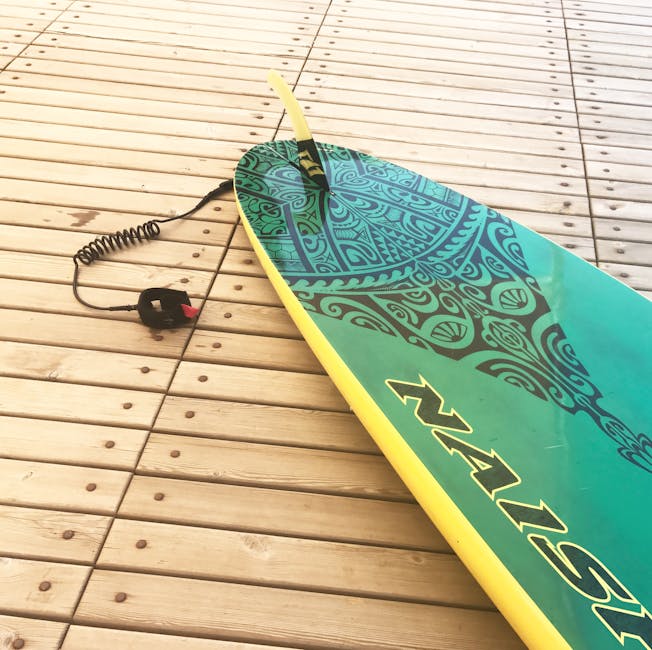
Fins provide the lateral resistance required to steer a surfboard and maintain a straight line down the face of a wave. A loose or damaged fin system compromises control and can damage the surfboard structure. Run these quick checks before entering the surf zone:
- Grasp each fin firmly and apply moderate lateral pressure to check for movement.
- Examine the fin box area for hairline cracks or white stress fractures in the plastic.
- Verify that the grub screws are present and fully tightened using a standard fin key.
- Ensure the base of the fin sits perfectly flush against the bottom skin of the board.
The lateral pressure test for wobbly fins
To check the fin system, hold the board bottom-up and grab the trailing edge of the fin. Gently wiggle it from side to side. There must be zero play between the fin base and the internal fin box housing.
If the fin moves or clicks, the internal attachment points are compromised. This play usually points to stripped grub screws or a cracked plastic box. In professional operations, safety standards require checking these connections weekly during peak season to catch loose hardware before a lesson begins.
Do not ride a board with a wobbly fin. If the fin is loose, the force of the water can tear the entire fin box out of the board during a turn. This creates an expensive repair and leaves a sharp, jagged hole in the bottom of your board.
Drag, tracking, and the mechanics of directional control
When a fin is loose, the water pressure during a ride forces it to tilt sideways. This tilting creates severe hydrodynamic turbulence, turning a smooth ride into a slow, wobbly struggle. Instead of tracking cleanly along the wave face, the board will slide out or feel completely unpredictable.
For a beginner, consistency is paramount when learning the pop-up and establishing a stance. An unstable fin removes that consistency, making it impossible to diagnose whether a failed ride was caused by poor body positioning or malfunctioning hardware. Ensuring your fins are rock-solid eliminates this variable entirely.
Fins should also have clean, smooth edges. Nicks or deep gouges in the fin blade disrupt water flow and cause drag. Run your fingers along the edges to verify they are free of sharp, jagged burrs that could cut you or your wetsuit during a fall.
What most people get wrong about Boston Surf Adventures gear standards
Many consumers hold misconceptions about the durability and safety of surf instruction equipment. These misunderstandings can lead students to overlook critical hazards or accept subpar gear.
When evaluating the standard of care at a facility, look past the aesthetic appearance of the fleet. For instance, comparing physical hardware maintenance to soft-goods sanitation—such as reading about the surf school wetsuit hygiene audit: vetting real disinfection protocols—helps you spot operations that prioritize student health and safety over marketing.
The myth of the indestructible soft top
Because beginner foam boards are soft to the touch, many people treat them like pool toys. It is common to see students dragging soft-tops across asphalt parking lots or resting them tail-first on hard rocks. However, beneath that soft exterior lies a rigid structure that can be easily ruined by improper handling.
Most high-quality soft-tops contain wooden or composite stringers running down the center of the foam core to provide stiffness. Dragging a board grinds down the protective skin, exposing the foam and internal wood to water. Once the stringer is exposed to moisture, it rots and weakens, eventually causing the board to snap in half when hit by a breaking wave.
Treat soft-tops with the same care as fiberglass boards. Carry them under your arm or have two people carry them by the nose and tail. Never use the board as a bench on the sand, as this concentrated weight can crease the core and break the internal stringer.
Evaluating cosmetic cleanliness against mechanical function
A freshly waxed board with bright colors looks impressive in photos, but cosmetic appeal does not equal safety. Many rental shops keep their gear looking clean while completely ignoring the structural integrity of the hardware. A shiny new board is useless if the leash plug is pulling out of the foam or the fin screws are rusted solid.
A professional surf school focuses its resources on mechanical function first. Clean wax is helpful for traction, but a safe session depends on intact urethane, solid fin boxes, and dry foam cores. When choosing a school, look at the metal components, the seams of the leashes, and the weight of the boards rather than the graphics on the deck.
Old, dirty wax can also hide deep dings or cracks in the fiberglass under-layer of composite boards. If the wax is thick, black, and peeling, it may be covering up structural soft spots. A clean coat of fresh wax indicates that the instructors regularly strip the board to inspect the underlying surface.
The operational safety indicators of professional Greater Boston surf instruction
A disciplined approach to gear maintenance is a hallmark of high-quality surf instruction. According to the EquipDash Surfboard Pre-Rental Inspection protocol, a structured inspection takes about six minutes per board but successfully prevents major equipment failures. When a surf school commits to this daily operational standard, it demonstrates a broader dedication to student safety and education.
As the only International Surfing Association (ISA) Certified Surf School in New England, Boston Surf Adventures operates under strict global standards for safety and equipment care. This certification requires daily inspections of all gear, ensuring that every student paddled out at Nahant Beach is riding a board that is structurally sound and safe.
Before entering the water, coaches should actively walk students through a quick gear check on the sand. This practice teaches ocean self-sufficiency and ensures that no minor defect went unnoticed during transit. If your instructor does not pause to verify your leash and fins on the beach, they are missing a vital safety step.
Booking your next surf progression session
Do not let compromised equipment stand in the way of your progress in the ocean. Choosing a school that prioritizes structural integrity and professional safety standards makes a measurable difference in your confidence and your wave count.
Boston Surf Adventures stands behind the quality of its instruction and the reliability of its gear. The school offers a clear, performance-based promise to back this up. You can read about the stand-up guarantee that guarantees you will stand up and ride a wave during your first lesson, or receive a full refund.
Whether you are booking a weekend surf camp or stepping up your skills with private coaching, ensure your hardware is as prepared as you are. Visit Boston Surf Adventures to schedule your next session with New England's premier certified surf program.


