Training kids in Boston waves for a Puerto Rico winter surf trip

Boston Surf Adventures

Transitioning from a heavy winter wetsuit in New England to boardshorts in the Caribbean is the ultimate training advantage for young surfers. At Boston Surf Adventures, we use a strategic cold-to-warm progression plan to transform summer sessions at Nahant Beach into direct preparation for winter swells in Rincon, Puerto Rico. By building paddling endurance in thick neoprene and mastering core mechanics on forgiving local sandbars, children develop the physical foundation necessary for larger ocean waves. When the trade wind season arrives in the Caribbean, these young surfers possess the muscle memory and stamina required to confidently navigate tropical reef passes.
Building thermal endurance and paddling power in heavy rubber
The physiological demand of cold-water surfing is one of the most effective strength-building tools available. In New England, surfers quickly learn that the ocean does not compromise. This physical reality serves as a built-in training mechanism for kids developing their ocean skills. Training in colder climates forces the body to adapt to demanding environments, which accelerates overall physical conditioning.
The weighted-vest effect of neoprene
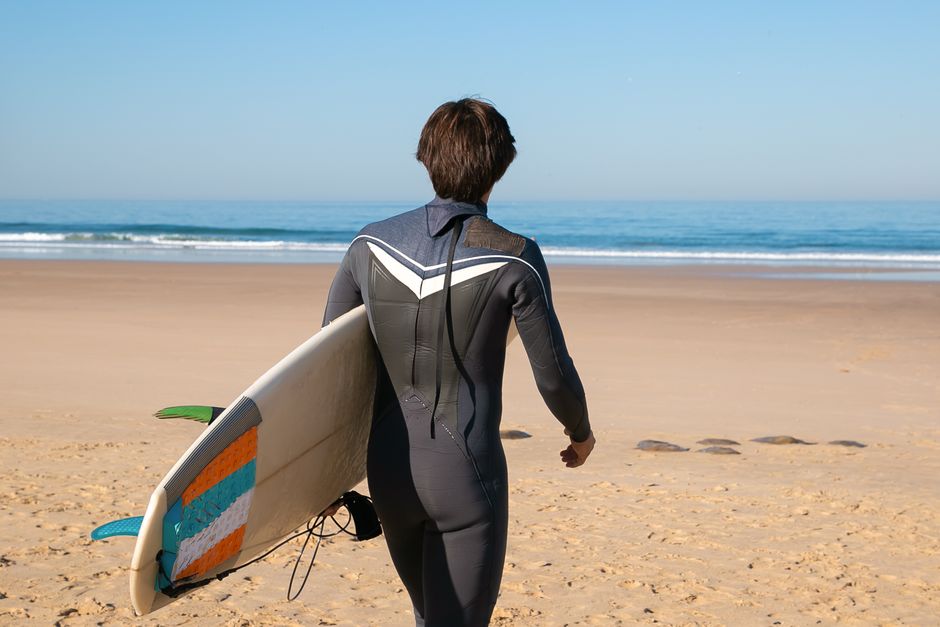
Surfing during a New England autumn means wearing a standard 3/2mm or 4/3mm wetsuit. Neoprene is designed to trap a thin layer of water against the skin, which the body then heats. According to the Rip Curl wetsuit thickness guide, as water temperatures drop below 60 degrees, transitioning to thicker neoprene is necessary to prevent rapid heat loss.
However, thicker rubber increases resistance on the shoulders during every paddle stroke. A child wearing a 4/3mm suit must work significantly harder to complete a single paddle cycle than they would in warm water. This added resistance functions exactly like a weighted training vest. When a child logs hours at Nahant Beach in full cold-water gear, they build substantial upper body and cardiovascular strength.
Managing early fatigue
Cold water demands more energy simply to maintain core body temperature. A field study published by the Surf Science Institute indicates that colder water directly reduces average session length. The human body redirects warm blood away from the extremities to protect vital organs, which can cause muscles in the arms and shoulders to tire more rapidly.
To counter this, our coaches structure lessons to manage fatigue while building endurance. We focus on short, high-efficiency paddle bursts rather than long, exhausting grinds. By the time winter arrives, kids who have trained in the cold have developed a deep physical reserve. When they finally shed the thick rubber for a lightweight rashguard in Puerto Rico, they experience an immediate surge in paddling power and endurance.
Dialing in pop-up timing on forgiving local sandbars
Learning the mechanics of standing up on a surfboard requires hundreds of repetitions. Trying to master this on a shallow, sharp tropical reef is a recipe for scrapes, fear, and stalled progress. It is far safer and more effective to build these habits on the soft sandbars of Nahant Beach.
Why sandbars matter for confidence
Nahant Beach offers some of the most consistent, kid-friendly waves in New England, typically holding sizes under three feet. The sandy bottom creates a highly predictable environment where mistakes carry no real physical consequences. If a child falls, they land in soft water over flat sand.
This lack of hazard allows children to focus entirely on their technique. Boston is an ideal learning ground, with over 20 surf breaks located within 45 minutes of the city, as noted on our Boston surf resource page. These spots offer small, uncrowded waves that allow for the high-repetition practice required to build confidence.
Isolating the pop-up mechanic
At the Boston Surf Adventures summer Kids Camp, we keep group sizes small, maintaining a strict ratio of five or fewer students per coach. This allows our certified instructors to provide highly individualized feedback to every young surfer. We use a playful, game-based approach on land to teach complex movement patterns before students ever step into the water.
By breaking down the pop-up into distinct, muscle-memory milestones on the beach, we eliminate the panic of the ocean environment. Once in the water, kids practice paddling for their own waves and perfecting their pop-up timing. They learn to read wave shapes and understand where to position themselves on the board. This foundational training is explored in detail in our guide on building a Boston surf progression plan for tropical reef breaks.
| Training Element | Boston (Nahant Beach) | Puerto Rico (Rincon) |
|---|---|---|
| Water Temperature | 55°F to 68°F (requires 3/2mm or 4/3mm neoprene) | 80°F+ (requires only rashguards or swimwear) |
| Sea Floor Type | Soft, flat sandbars | Soft sand and user-friendly reef passes |
| Primary Goal | Endurance, basic pop-up mechanics, water safety | Advanced wave selection, turning, lineup reading |
| Coaching Tools | Small group ratios, game-based on-land setup | Daily video analysis, expert local guiding |

Translating local repetition to tropical execution
Once a child has spent the summer and autumn months building endurance and mastering the pop-up in Massachusetts, they are prepared for the next stage. The transition to our winter Puerto Rico Surf Retreat shifts the focus from basic survival and mechanical repetition to advanced wave reading and style adjustment.
Predictable winter winds in Rincon
Operating from December through April, the surf season in Rincon is driven by reliable tropical trade winds. These winds blow offshore every morning until at least 10:00 AM, creating exceptionally clean, groomed wave faces. Unlike the shifting beach breaks of New England, Rincon offers highly predictable waves that break in the exact same spot over and over.
Because our local coaches have spent their entire lives surfing these specific breaks, they know exactly how to time the tides. This local knowledge allows our groups to surf without crowds approximately 70% of the time. For a young surfer, empty lineups mean more waves, lower stress, and a much safer environment to test their skills.
Maximizing the daily video feedback loop
Because the physical conditioning and safety habits were already established back in Boston, our time in Puerto Rico is not wasted on basic paddling lessons. Instead, we can implement our advanced progression curriculum. We film every single wave during the morning session, capturing the precise mechanics of each student.
Between the morning and afternoon sessions, our founder Grant Gary—a professional educator with over 15 years of teaching experience—reviews the footage with each child. We identify just two specific adjustments for the afternoon session. This targeted feedback loop keeps kids focused and prevents them from becoming overwhelmed. Parents looking to understand the milestones their child should hit before making this leap can consult our guide on the Nahant surf checklist.
This structured approach is designed to help young surfers build authentic skills. As parent Teresa Chappel noted, our coaches are passionate about teaching people how to be self-sufficient surfers. By focusing on progression and safety, we ensure that every child leaves our programs with a lifelong love for the ocean.
Ready to start your child's surfing journey? Secure a spot in our upcoming summer Kids Camp at Nahant Beach by visiting our Kids and Teens Summer Surf Camp page. If you are looking to escape the winter cold and put those hard-earned skills to the test in the tropics, learn more about our upcoming winter departures at the Boston Surf Adventures Puerto Rico Retreat page.


