Boston Surf Adventures provides a comprehensive progression framework to solve the seasonal relearning cycle common in New England surfing. By aligning summer kids camps at Nahant Beach with winter retreats in Rincon, Puerto Rico, families can maintain skill development through a single education-based curriculum. This approach prevents muscle memory loss during the nine-month winter gap and utilizes professional coaching from ISA-certified instructors to ensure continuous advancement from basic pop-ups to intermediate wave riding.
The cycle of seasonal regression in New England (Boston Surf Adventures)
Every June, hundreds of families across the North Shore and Greater Boston head to the water with the same goal: finally learning how to surf. By the end of August, students are often standing up consistently and catching their own waves. However, the nine-month gap between Labor Day and Father's Day usually erases these gains. When the next season rolls around, the first three days of any program are typically spent relearning the exact same paddling and pop-up basics that were mastered the previous year. This is the seasonal surf plateau, a state where surfers remain perpetual beginners because they never maintain enough consistency to build complex muscle memory.
At Boston Surf Adventures, we see this pattern as a waste of both time and financial resources. For parents, coordinating a summer schedule is a logistical puzzle. When that effort only results in a child reaching the same skill level they reached last year, it feels like a treadmill. This cycle is often exacerbated by the DIY Beach Weekend vs All-Inclusive Surf Camp approach, where families attempt to string together random local lessons or disjointed vacation rentals. Without a cohesive plan, there is no benchmark for success, and instruction remains generic rather than progressive.
Breaking this cycle requires a shift in how families view surfing. It is not just a seasonal beach activity; it is an athletic pursuit that requires year-round engagement to master. Much like gymnastics or martial arts, the technical components of a surf pop-up require thousands of repetitions to become reflexive. When those repetitions are spaced ten months apart, the neural pathways simply do not solidify. The result is a frustrating "Groundhog Day" experience where the student never graduates from the whitewater to the green waves.

Why disjointed coaching creates a performance wall (surf education company)
The lack of progress in New England surfing is rarely about a lack of athletic ability. It is almost always a result of disjointed coaching and a lack of structured curriculum. When a student bounces between different surf schools or different summer programs, they are often subjected to contradictory terminology. What one instructor calls a "proper stance," another might correct as too wide or too narrow. This lack of a unified coaching vocabulary resets the student’s mental clock every time they enter the water with someone new.
Boston Surf Adventures is uniquely positioned to solve this because it is the only surf education company in the region founded and led by a professional educator. Grant Gary brings over 15 years of teaching experience and has taught thousands of students using a proprietary curriculum. This isn't just about "catching waves"; it's about a pedagogical approach that breaks down the biomechanics of surfing into digestible, repeatable steps. As noted in our guide on How a Professional Education Framework Gets New Surfers Catching 50 Waves in a Weekend, a structured environment can increase wave count by 10x compared to solo practice.
Consider the difference between a random surf lesson and a curriculum-based camp. In a typical lesson, the goal is often just to get the student standing once for a photo. In a professional framework, the goal is self-sufficiency. We focus on Surfology 101, teaching the science of wave formation and ocean safety alongside the physical act of surfing. When students understand why a wave breaks the way it does, they stop reacting and start anticipating. This transition from reactive to proactive surfing is impossible to achieve in a fragmented, seasonal model.
The nine-month New England winter gap
The cold-water reality of Massachusetts is the primary barrier to progression. While some dedicated locals surf through the winter in 6mm wetsuits, this isn't a realistic path for most children or adult beginners. This gap is where muscle memory goes to die. Without a bridge between seasons, the brain prioritizes other motor skills, and the specific balance required for a moving surfboard is lost. To bridge this, we focus on the Swim to Surf Program, keeping students physically conditioned even when the Atlantic is too cold for comfort.
The vacation rental approach to surf travel
Many families try to fix the winter gap by booking a house in a surf destination like Costa Rica or Hawaii. While fun, these trips often lack high-quality instruction. A student might spend a week surfing with a local guide who can push them into waves but cannot diagnose why their front foot is landing in the wrong spot. Without the same coaching methodology used back home at Nahant Beach, the student may even pick up bad habits that the Boston Surf Adventures team has to spend weeks un-teaching the following June.
The two-season progression framework for Greater Boston families (Nahant Beach)
The most effective way to ensure guaranteed progress is to treat the calendar year as two distinct but connected training phases. Our framework centers on the proximity of world-class instruction in the summer and consistent, warm-water repetition in the winter. For families living in Swampscott, Marblehead, or downtown Boston, this process begins just 25 to 30 minutes away at our primary local break.
Summer foundation at Nahant Beach
The summer phase (June through August) is about building the fundamental mechanics in a safe, controlled environment. Nahant Beach offers some of the most consistent and kid-friendly waves in New England, making it the ideal classroom. Our Boston Summer Surf Camps are limited to small groups—five or fewer students per coach—ensuring that every child gets individual feedback. This isn't a day-care service; it's a technical training camp where on-land games translate directly to in-water skills. We recommend families book at least two separate weeks of camp to allow for the "immersion effect" to take hold.
| Training Phase | Location | Primary Goal | Focus Area |
|---|---|---|---|
| Phase 1: Summer | Nahant Beach, MA | Muscle Memory | Pop-up mechanics & wave selection |
| Phase 2: Fall | Home / Pool | Conditioning | Paddling endurance & Surfology 101 |
| Phase 3: Winter | Rincon, Puerto Rico | Acceleration | Unbroken green waves & turning |
| Phase 4: Spring | Nahant Beach, MA | Refinement | Prep for summer peak season |
Winter acceleration in Rincon
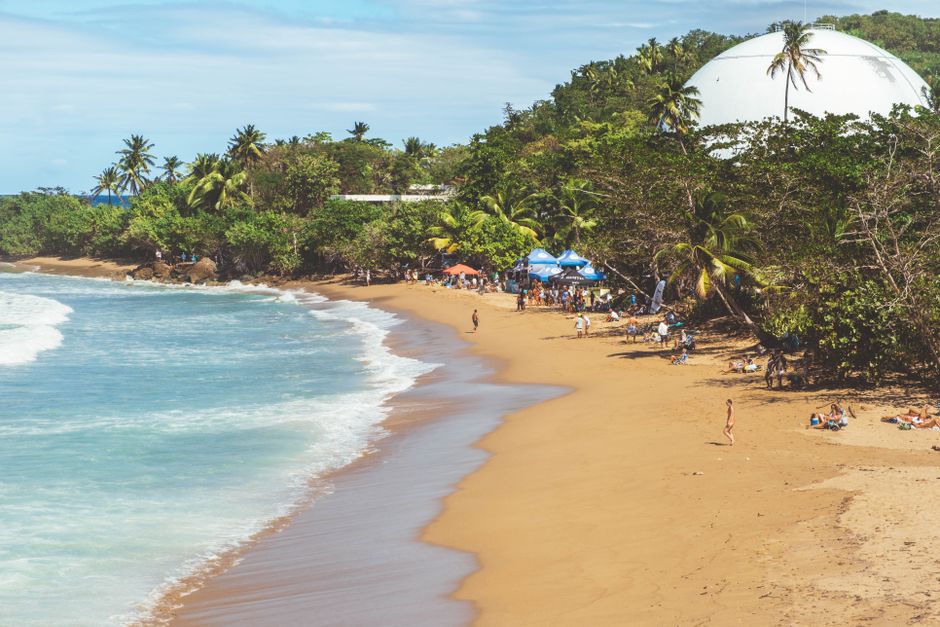
The second pillar of our framework is the Puerto Rico Surf Retreats in Rincon. Held from December through April, these retreats are designed to take the mechanics learned at Nahant and apply them to the most reliable beginner and intermediate waves on the planet. Rincon offers 80-degree water and guaranteed offshore winds every morning until 10 AM. Because the coaching is led by the same team from Boston, there is zero loss of terminology. We use the same cues, the same drills, and the same expectations, allowing students to pick up exactly where they left off in August.
Continuous video analysis and feedback
A critical component of the Rincon retreats is our video analysis program. Every wave in the morning session is filmed, and the footage is reviewed with students between sessions. This diagnostic tool is the fastest way to break a plateau. Most surfers think they are doing one thing with their body, but the video shows something entirely different. Seeing yourself on screen—with a professional educator like Grant Gary pointing out the exact moment of a technical error—creates a mental breakthrough that 100 hours of unguided surfing cannot match.
Diagnostic red flags and the value of a professional curriculum (ISA Certified Surf School)
How do you know if your family is stuck on the surf plateau? There are several indicators that a surfer has stopped progressing and started merely "occupying space" in the lineup. If you recognize these symptoms, it is time for a formal curriculum reset rather than just more time in the water. Boston Surf Adventures is the only ISA Certified Surf School in New England, meaning our diagnostic standards are aligned with the worldwide governing body for surfing.
Watch for these four red flags in your child's (or your own) surfing:
- Low wave count: Catching fewer than 10 waves in a multi-hour session is a sign of poor wave reading or positioning.
- Knee-popping: Touching your knees to the board during a pop-up is a fundamental habit that will prevent you from ever riding steep or fast waves.
- Chronic nose-diving: Also known as pearling, this indicates a lack of understanding regarding weight distribution and board trim.
- Lineup hesitation: A lack of confidence entering the water usually stems from a lack of ocean safety knowledge, not just physical skill.
By following a professional curriculum, we move students away from these habits. A student surfing alone over two days might catch five waves. With our coaches, that same student can catch 50 to 70 waves in a single weekend. This massive increase in volume is the only way to solidify correct technique and erase the bad habits that lead to plateauing. You can learn more about our specific local programs at Surf Camps in Boston and New England.
Building a sustainable family surf calendar (Boston Surf Adventures)
The goal of the Boston Surf Adventures community is to create a pathway for long-term growth. We don't just want you to surf once; we want you to become a surfer. This involves more than just lessons; it involves building a lifestyle around the sport. Our core rule, "No one eats alone," reflects the importance we place on community. When kids attend our summer camps, they aren't just learning a skill; they are joining a cohort of friends who will grow with them year after year.
To maximize this framework, families should look at their calendar in May. Our Kids Camp schedule at Nahant Beach runs from late June through late August. Booking early is essential, as sessions are limited to ensure low student-to-coach ratios. The May 15th deadline is particularly important, as it offers the best pricing and often includes bonuses like free adult surf lessons for parents. Once the summer foundation is set, the conversation should shift to the winter retreat in Rincon, which serves as the graduation ceremony for a year of hard work.

Surfing is one of the most rewarding sports in the world, but it is also one of the most difficult to master without guidance. By leveraging the proximity of the North Shore and the consistency of the Caribbean, Greater Boston families can bypass the frustration of the seasonal plateau. Whether you are coming from Newton, Lexington, or Marblehead, the path to becoming an intermediate surfer is shorter than you think—provided you have the right map. Visit Boston Surf Adventures to view our current schedule and start mapping out your family's progression for the 2026 season.
Building this multi-year plan doesn't just improve your skills; it builds confidence. There is nothing quite like the feeling of a student who struggled in June finally carving a turn in the warm waters of Puerto Rico in January. That moment is the result of a deliberate, well-executed logistics framework that turns a summer hobby into a lifelong passion.