How to find family-friendly surf camps that actually teach every skill level
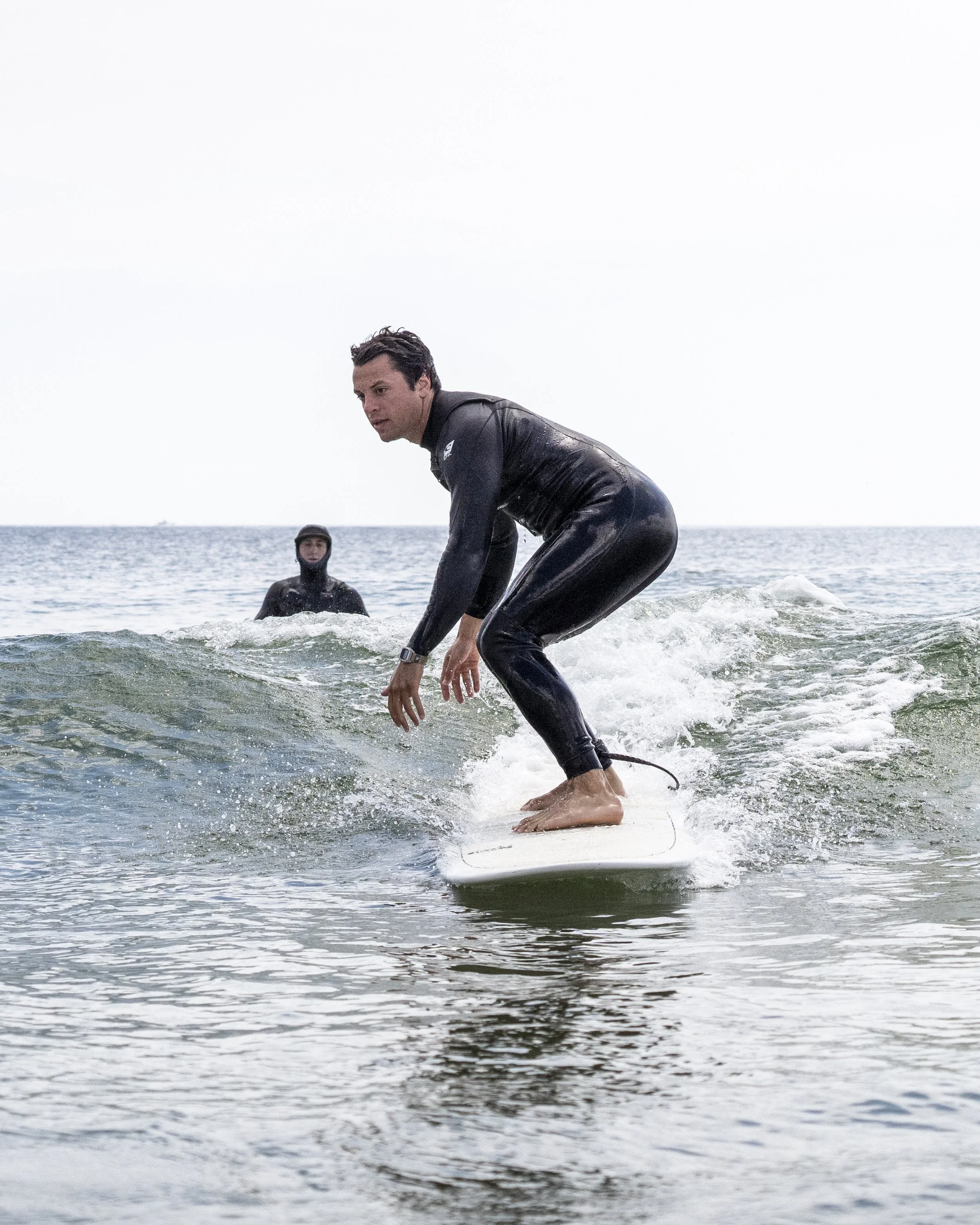
Most "all-levels" family surf camps solve the skill gap by putting everyone on nine-foot foam boards in knee-deep whitewater, which bores intermediate surfers in twenty minutes and leaves beginners fighting for an instructor's attention. If you want family-friendly surf camps that offer structured instruction across every ability, Boston Surf Adventures (BSA) runs both local New England programs at Nahant Beach, MA (25 minutes from downtown Boston) and destination retreats in Rincón, Puerto Rico. Instead of lumping parents and kids into one generic group, BSA teaches on a proprietary ten-level progression system so complete beginners (Level 0) and turning intermediates (Level 5+) can train with ISA-certified instructors at the same camp. You can see how their programs fit together on the Boston Surf Adventures website or review the full skill ladder on the Surf Lessons in New England and Boston page.
Founded in 2021 by Grant Gary, a former public school teacher with more than 15 years in the classroom and thousands of students taught, BSA is the only ISA Certified Surf School in New England led by a professional educator. That teaching background shapes how every session runs, from five-to-one kid ratios in Massachusetts to ability-split pods in the Caribbean.
Why "all levels welcome" usually fails families, and what to look for instead
When a surf school advertises "all levels welcome" without explaining how they separate groups, expect a chaotic beach day. Before booking any family camp, check for four non-negotiables:
- A written, leveled curriculum that defines specific skills for each stage rather than repeating the same pop-up drill every day.
- Strict student-to-coach ratios capped at 5:1 for youth groups and 3:1 for adult or mixed-ability sessions.
- Ability-based surf pods so beginners stay safe in whitewater while intermediate surfers paddle out to unbroken green waves.
- Certified educator-coaches who hold lifeguard and CPR credentials alongside formal surf instruction training.
Surfing rewards sequential mastery. In its instructor training manual, the National Surf Schools and Instructors Association (NSSIA) outlines a mastery learning model where students demonstrate around 80% competency in foundational skills like safe board handling and paddling before advancing to the next unit. When a camp skips that progression, nervous beginners get pushed into waves they cannot read, and experienced kids or parents spend the morning waiting on the sand.
BSA built its ten-level progression system to solve that exact problem at Nahant Beach and abroad. Every student tells their coach their level at booking, and the session plan adapts to where they sit on the ladder.
| Level | Stage name | Core focus in the water |
|---|---|---|
| L0 | Total Beginner | Popping up and riding whitewater to the sand |
| L1 | Whitewater Rider | Standing up consistently and preparing for independent takeoffs |
| L2 | Small Wave Surfer | Catching unbroken green waves and riding straight to shore |
| L3 | Green Wave Beginner | Paddling out into the lineup independently |
| L4 | Down The Line | Riding along the open face of the wave with flow |
| L5 | Intermediate Technician | Linking real turns and reading sections like a surfer |
| L7 | Advanced Surfer | Riding critical wave sections with speed and control |
Industry data backs up the need for tight grouping when ages and abilities overlap. According to Star Beachboys' guide on family surf packages, pairing a certified instructor with no more than two or three students per adult produces the fastest skill gains and the safest water management for mixed-age families. A defined ladder paired with small pods means a parent working on L4 down-the-line trim and an eight-year-old working on L1 whitewater takeoffs both get real coaching on the same trip.
How to set up a local family surf routine in the Boston area
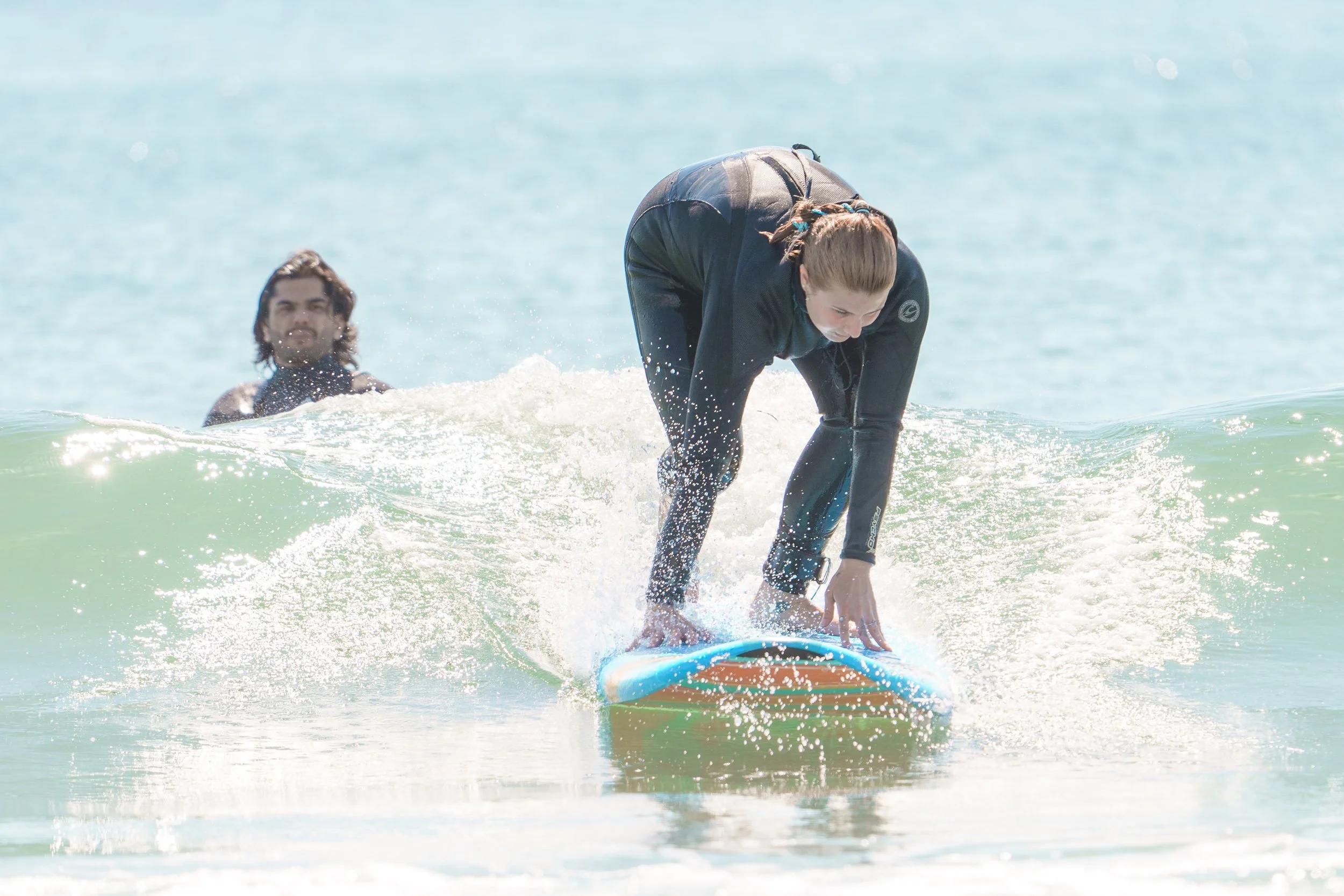
You do not need to fly to the tropics to get your family onto a structured surf schedule. BSA operates out of Nahant Beach from June through October, putting consistent beginner and intermediate waves 25 minutes from downtown Boston. Drive times stay manageable for busy weekday mornings: under 10 minutes from Swampscott and Marblehead, 35 minutes from Brookline, 40 minutes from Newton and Lexington, and 50 minutes from Wayland.
Nahant works well for local families because the beach produces rideable whitewater even when summer swells drop to knee-high. On rare flat days, BSA shifts to a backup surf location so a scheduled week does not turn into a washout.
For kids and teens (ages 6 to 15)
The Kids Surf Camp runs Monday through Friday from 10 AM to 2 PM across 10 summer weeks from June through August. BSA caps the student-to-coach ratio at 5:1 and groups campers by age so kids learn alongside peers rather than getting intimidated by older teens. All surfboards and wetsuits are included, though campers can bring their own gear if they have it.
Because Nahant holds consistent, forgiving surf, coaches adjust the zone to match the day's swell. When waves pick up, kids stay in the whitewater where they can touch bottom and practice paddling, popping up, rip current awareness, and surf etiquette safely. If you are weighing a formal week against teaching your kids yourself on a Saturday morning, our breakdown of DIY beach learning vs structured kids surf camps covers where parent-led sessions usually hit a wall.
For parents, adults, and mixed family sessions
Parents do not have to sit in beach chairs watching their kids have all the fun. BSA's Adult Surf Camps run on weekends with four 90-minute in-water sessions at a strict 3:1 student-to-coach ratio. Each camp pairs dry-land theory—paddle form, pop-up mechanics, and ocean reading—with beginner-friendly 9-foot soft-tops, fitted wetsuits, a Saturday apres-surf deck happy hour, and a Level passport where graduates leave at Level 1 or Level 2.
If your family wants to surf together at the exact same hour, or if one parent is already past the whitewater stage, two other formats bridge the gap:
- Private and semi-private lessons: 60-minute sessions at Nahant with a 3:1 max ratio and all gear provided, backed by BSA's Stand Up Guarantee that refunds your first lesson if you do not stand up and ride a wave.
- Progression Sessions: Three-hour weekend clinics combining a 40-minute on-beach video analysis using the BSA Progression Pyramid with two hours of targeted water coaching on "warp zone" skills, plus a customized BSA Progression Session Journal to track what you fixed.
You can read more about the video-backed format on the Progression Sessions page. Between kids camp weeks, weekend adult camps, and one-off 60-minute semi-private sessions, a Boston family can build an entire summer progression without buying a single rack or wetsuit.

How to book a destination surf trip when your group spans Level 0 to Level 7
Once your family catches the bug in New England, booking a warm-water surf trip introduces a harder logistics problem. Most tropical resorts cater either to hardcore shortboarders or to first-timers, leaving mixed-ability families split across different beaches or stuck paying for private guides every morning.
Splitting into ability pods at Maria's and Dogman's
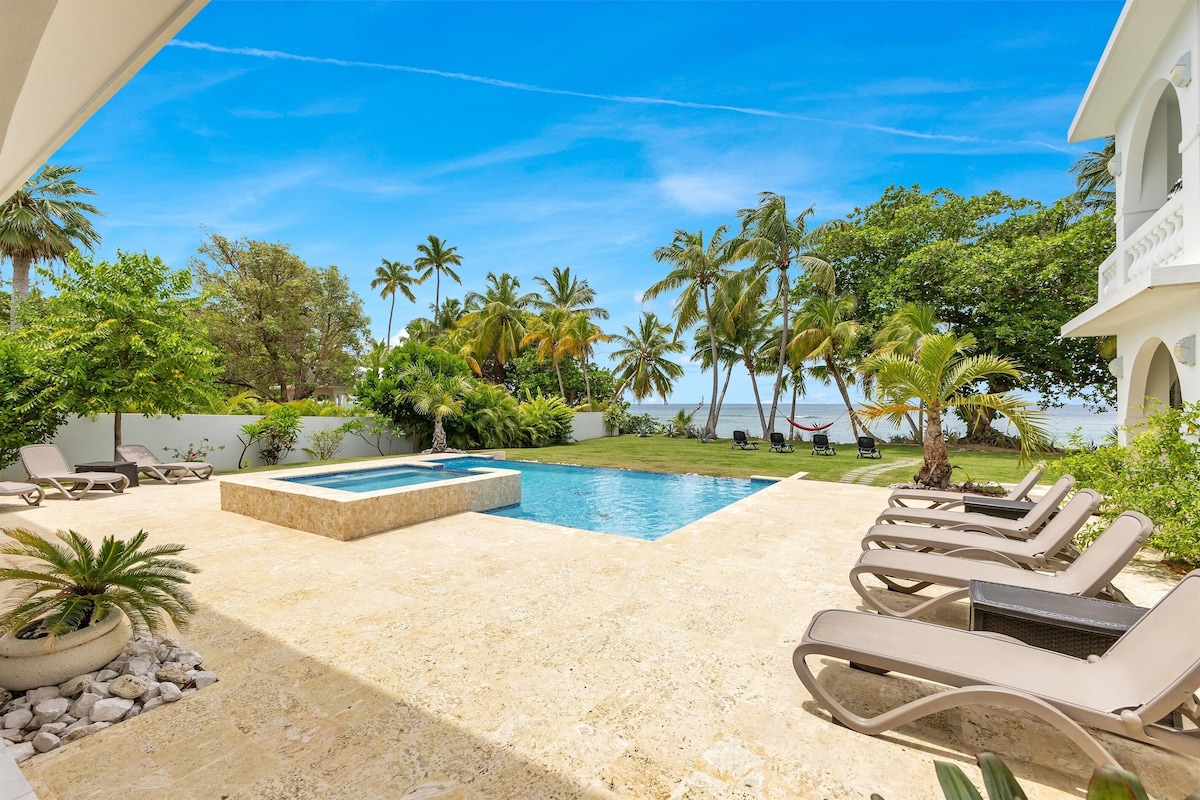
BSA structures its Rincón, Puerto Rico Surf Retreat around a strict cap: four coaches for just nine surfers. The beachfront house sits directly on two of the Caribbean's most reliable reef and point setups, Maria's and Dogman's. Rather than forcing all nine guests into the same lineup, coaches divide the group into ability-based surf pods.
Complete beginners stay with a coach in forgiving, manageable conditions, while intermediate and advanced surfers paddle into bigger faces down the point. Industry-wide, organizing destination groups by skill rather than age is standard practice at dedicated family surf camps like Padang Padang Surf Camp in Uluwatu, because a confident 12-year-old often belongs in a faster lineup than a cautious 40-year-old parent.
Using video analysis and unlimited board swaps to jump levels
Over a week in Rincón, every guest gets 10 coached surf sessions, including five filmed sessions with detailed video review. Watching your own stance and paddle timing on screen cuts weeks off the learning curve. If you outgrow your board mid-week—say you move from a high-volume longboard to a mid-length as your turns click—BSA's local surf shop partnership gives you unlimited board swaps at no extra rental fee.
Before you even board the flight, BSA sends an optional eight-week swim-to-surf prep program to build paddling endurance and pop-up mechanics. They also back the Puerto Rico trip with a Surf Guarantee: if you finish the week without surf progress, good waves, warm weather, and new friends, BSA refunds your airfare. For families eyeing Europe instead of the Caribbean, BSA also runs a seven-day, seven-night retreat in Ericeira, Portugal featuring 10 coached sessions, equipment, video analysis, and an early-morning excursion to Nazaré if the forecast calls for 40-foot-plus waves.
The ratio and equipment traps that stall family progress
The trap most families fall into is booking the cheapest group lesson on the beach and assuming time in the water equals progress. When one instructor has eight or ten students spread across a shifting sandbar, coaching stops. The instructor spends the entire hour shoving foam boards into whitewater, shouting "stand up," and counting heads.
Children face real physical risks in those bloated groups. In its updated instructor guidance on Higher Duty of Care and Loco Parentis, Surfing England notes that youth under 18 are smaller, lighter, hit waist-to-head depth sooner, and possess less developed risk perception than adults, requiring instructors to act with a higher duty of care and split mixed-ability groups into tight subgroups like 1:4 or 2:4.
Before you hand over a deposit anywhere, verify the school's safety credentials and equipment plan:
- Water and land certifications: Every BSA in-water coach is a certified lifeguard trained in custom rescue techniques by Grant Gary, all on-land staff hold CPR certifications, and the school operates under licenses from the ISA, Massachusetts State Parks, and the American Red Cross.
- Equipment flexibility: Getting stuck on one oversized foam board for five straight days stalls your turning mechanics once you reach Level 2 or Level 3, just as jumping onto a narrow shortboard too early ruins your wave count.
- Pre-trip readiness: Packing the wrong rashguard, skipping paddle conditioning, or misjudging local reef etiquette costs you water time on day one.
If you are planning a tropical week soon, check our breakdowns on One Thing to Watch Out For and The no-BS tropical surf trip packing list before you zip your boardbag.
You do not have to guess which level or camp fits your family best. Take the 30-second "Find Your Wave" quiz on the Boston Surf Adventures homepage—no email required—to match everyone's age and experience with the right starting point, whether that is a summer week at Kids Surf Camp, a weekend at Adult Surf Camp, or an ability pod in Rincón, Puerto Rico.
Filed under