
Private adult surf lessons in Boston: what actually works
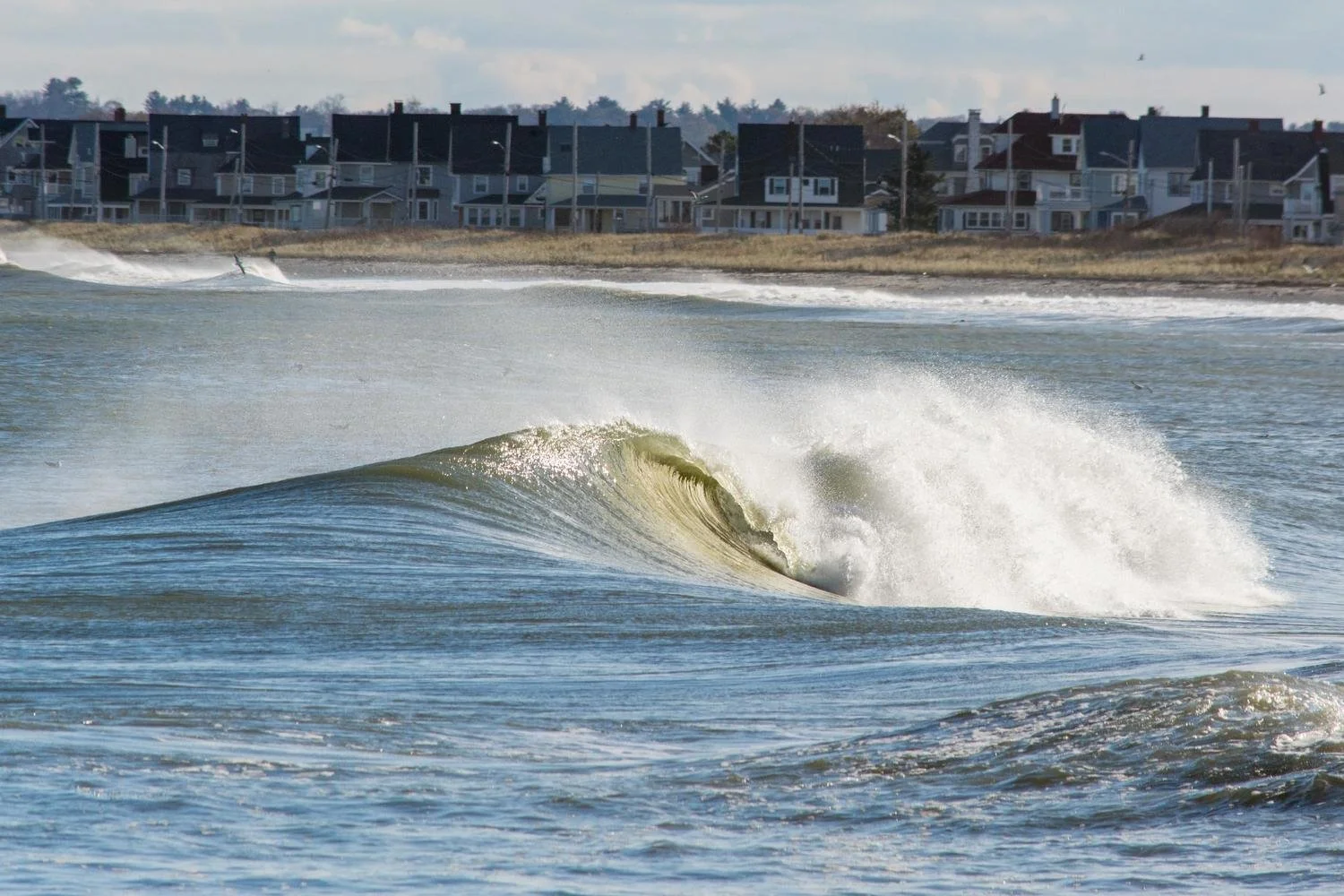
Learning to surf as an adult often feels like paying someone to watch you drown in the whitewater. Most commercial surf lessons trap students in a repetitive cycle of renting oversized foam boards and getting shoved into broken waves without actionable technical feedback. Boston Surf Adventures breaks this pattern at Nahant Beach by applying a structured ten-level progression system created by founder and former public school educator Grant Gary. Instead of passive supervision, their private and semi-private adult sessions focus on biomechanical diagnosis, independent wave selection, and ocean awareness in quiet, forgiving waters. The instruction delivers dedicated water time backed by an explicit promise: stand up and ride a wave during your first lesson, or receive a full refund.
The location advantage: why Nahant beats the famous breaks
California and Hawaii dominate surf culture, but their most famous breaks create terrible learning environments for beginner adults. Heavy shorebreaks, steep ocean drop-offs, and dense, aggressive lineups punish the trial-and-error phase of learning. Trying to learn paddle mechanics while dodging twenty experienced surfers on shortboards induces panic rather than focus.
The coastline around Boston offers an entirely different dynamic. Within 45 minutes of the city, surfers can access more than 20 distinct surf breaks that produce small, manageable waves with minimal crowd density. Beginners do not need twenty-foot Pacific swell. They need clean, consistent waist-high waves where they can repeat mechanical movements dozens of times without competing for position.
Nahant Beach sits roughly 30 minutes from downtown Boston. The beach curves along a protected bay that filters out chaotic open-ocean chop while catching steady swell. The gradual sandbar gradient prevents waves from dumping violently onto dry sand, creating long, peeling reform waves that give adult learners enough runway to set their feet and find their center of gravity.
Choosing a local break with manageable wave energy fundamentally alters how quickly you learn. When you remove the stress of colliding with strangers or fighting sweeping rip currents, your nervous system can focus on motor control. You spend your energy analyzing wave speed and paddle cadence instead of bracing for impact. Learn more about why Boston's uncrowded breaks offer the ideal learning setup compared to crowded tourist hubs.
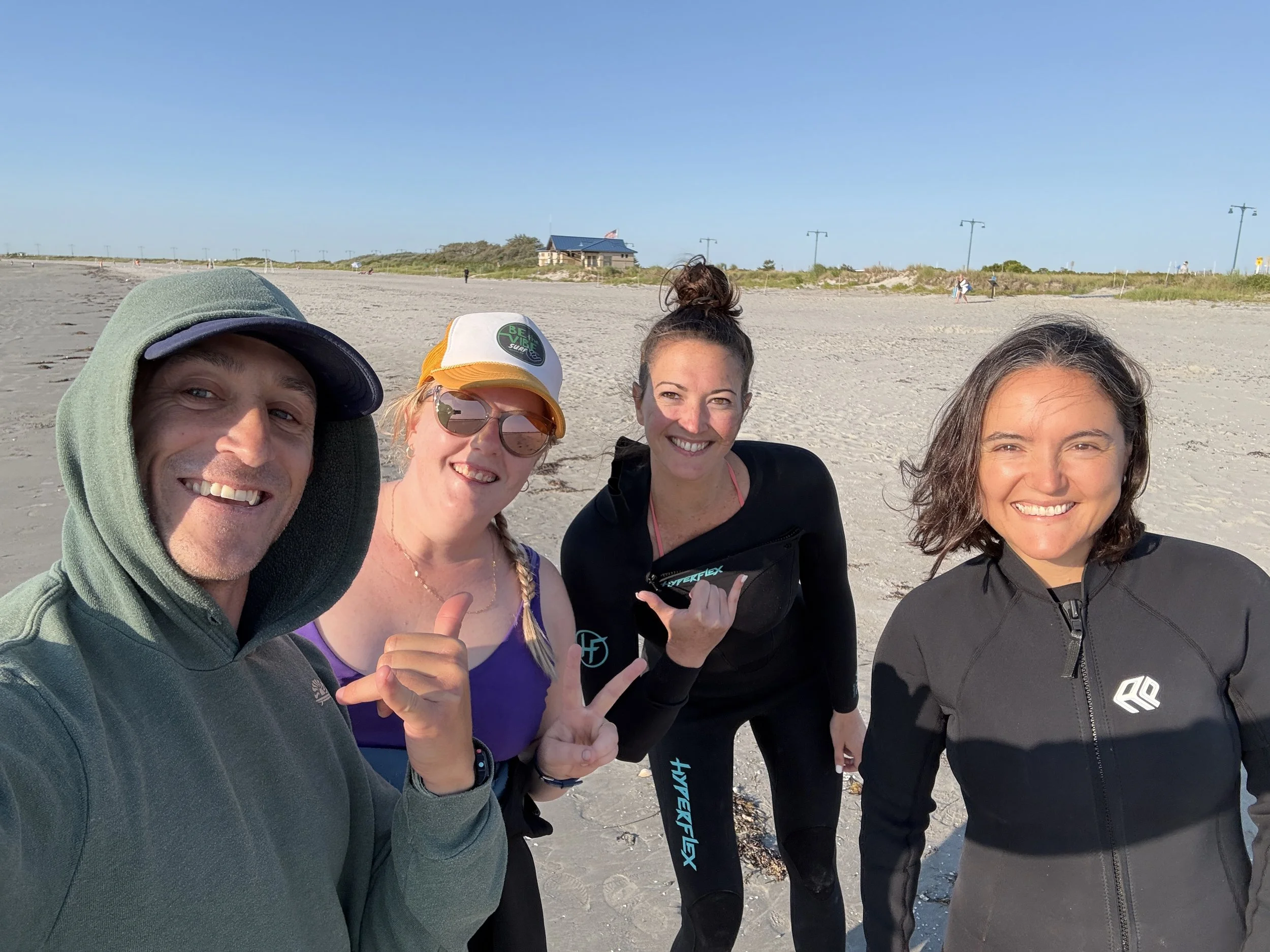
Instruction versus supervision at our Boston surf school
The central failure of traditional surf instruction is the confusion between supervision and actual teaching. Most surf coaches are simply skilled surfers who took a summer job. Because high-level athletes perform complex movements through intuitive muscle memory, they often struggle to explain the physics of a popup to someone whose hip flexors have spent twenty years seated at an office desk.
When an instructor stands in chest-deep water, pushes your tail into broken foam, and yells for you to stand up, you have not learned how to surf. You have purchased temporary push-button recreation. As professional online surf coaches point out, adult surfers need a diagnosis and a plan, not another round of generic tips shouted over the wind.
Boston Surf Adventures approaches the ocean as a classroom. Founder Grant Gary spent 11 years working as a public school teacher before establishing the school in 2021. That background in formal pedagogy shifts the focus from mindless repetition to structured skill acquisition. Instructors break down complex ocean movement into discrete physical cues that respect how the adult brain processes motor skills.
Standard Lesson Trap           Pedagogical Progression
────────────────────           ───────────────────────
Instructor shoves board   -->  Student reads wave entry speed
Generic "paddle harder"   -->  Diagnosing hand entry angle
Tourist whitewater ride   -->  Trimming open face (Level 4)
One-off beach outing      -->  Documented skill benchmarks
Safety protocols and certifications
Ocean instruction demands uncompromising risk management. Boston Surf Adventures operates as the only ISA Certified surf school in New England. The International Surfing Association sets the global benchmark for surf coaching methodology, risk assessment, and group management.
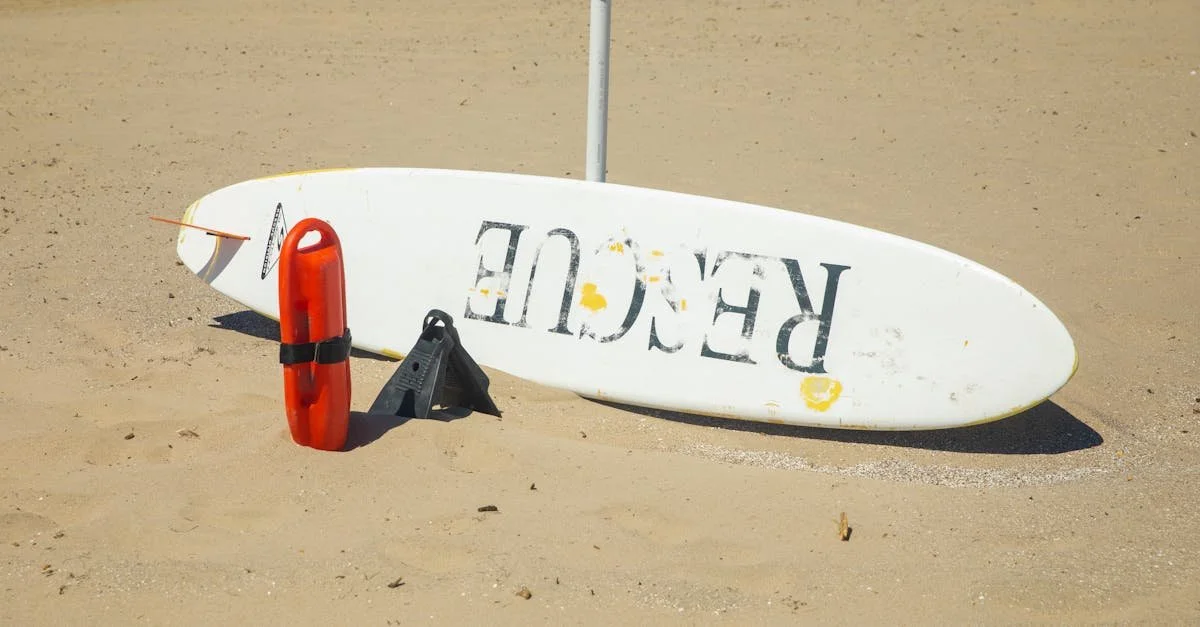
Every instructor in the water holds active lifeguard certification. On-land staff members maintain current CPR credentials through the American Red Cross. Coaches also complete proprietary rescue training in local current patterns before leading a single student into the lineup.
This framework creates an environment where adult students can confront ocean anxiety without genuine physical risk. Knowing that your coach possesses professional rescue credentials allows you to push through hesitation during your pop-up attempts. You can read more about founder Grant Gary's educational philosophy and safety standards at Boston Surf Adventures.
Breaking the "intro lesson" loop
Adults often spend years taking isolated introductory lessons on vacations, never progressing past the point of riding straight toward the dry sand on a soft-top board. Breaking out of this rut requires diagnosing mechanical faults rather than treating symptoms with louder encouragement.
| Coaching element | Traditional beach lesson | Boston Surf Adventures adult session |
|---|---|---|
| Primary objective | Ride one wave for a photo | Build independent wave catching mechanics |
| Feedback method | Shouting generic encouragement | Point-by-point biomechanical diagnosis |
| Wave entry | Instructor pushes the board | Student times paddle cadence to wave speed |
| Curriculum | Unstructured trial and error | 10-level measurable progression system |
| Water ratio | 6:1 up to 10:1 tourist cattle call | 3:1 maximum in semi-private sessions |
When you eliminate push-and-stand habits, you stop developing destructive muscle memory. Shuffling to your feet, planting your knees on the deck, or looking down at your toes will let you balance on an eight-foot foam board in soup, but those same habits make catching unbroken green waves impossible. Real coaching isolates and corrects those flaws on day one. For an analytical breakdown of these industry pitfalls, see our guide on why most surf lessons leave you frustrated.
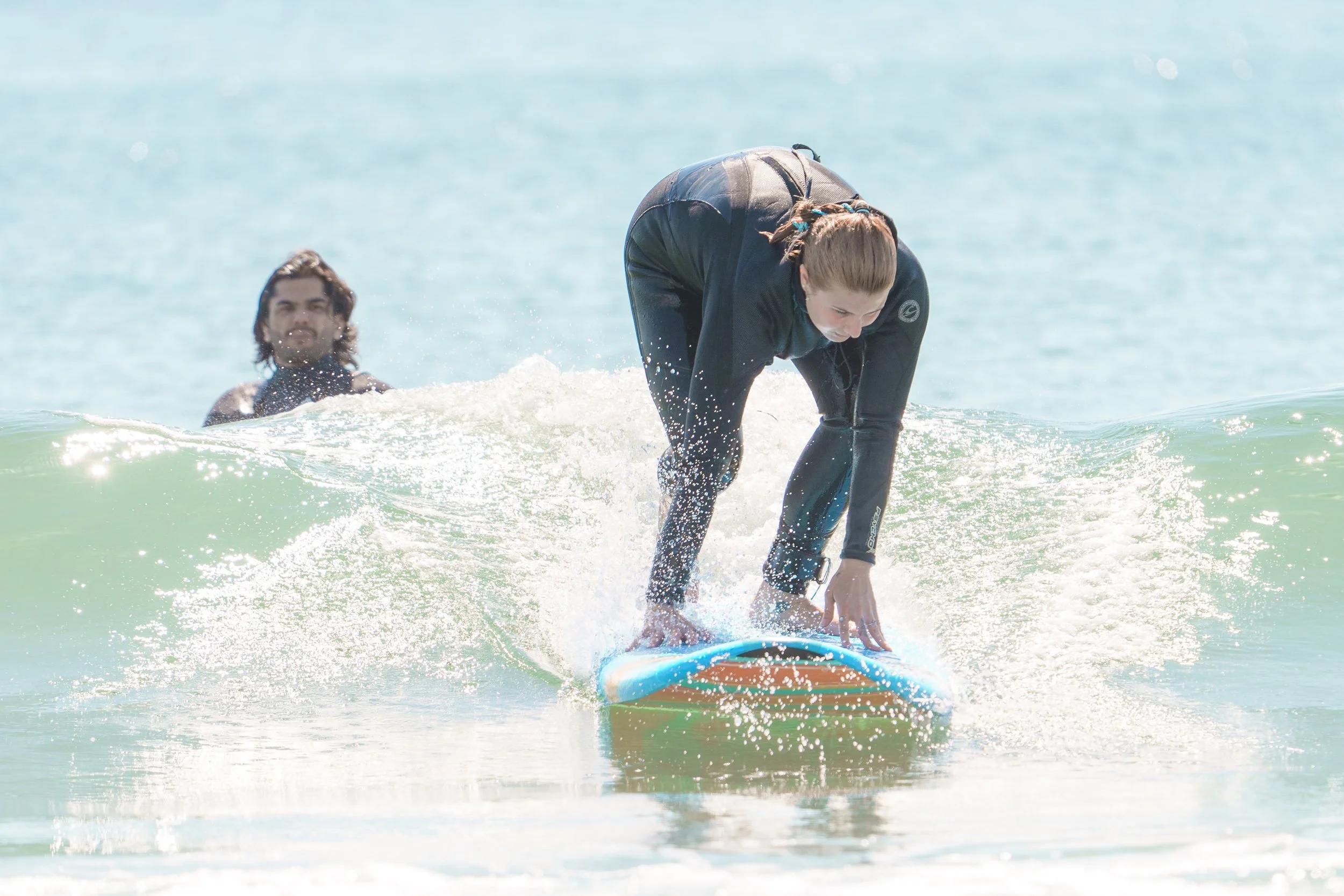
The 10-level progression framework at Boston Surf Adventures
Surfing feels overwhelming to beginners because traditional schools treat it as a single, chaotic skill. Boston Surf Adventures solves this problem with a structured ten-level curriculum. By segmenting the sport into distinct technical stages, students always know their current benchmark and the specific physical threshold required to reach the next tier.
Instead of guessing whether you are making progress, you work through defined mechanical gates. You do not move to unbroken waves until your prone trim and paddle efficiency meet clear physical metrics. This transparency eliminates the guesswork and keeps adult learners focused on purposeful practice.
- Level 0: Total Beginner, developing prone trim, board stability, and initial pop-up mechanics in the whitewater
- Level 1: Whitewater Rider, generating independent takeoffs without physical assistance from an instructor
- Level 2: Small Wave Surfer, identifying swell bumps, timing paddle bursts, and catching unbroken green waves
- Level 3: Green Wave Beginner, paddling outside to the lineup, reading wave sets, and managing takeoff angles
- Level 4: Down The Line, engaging surfboard rails, angling the takeoff, and setting speed along the open wave face
Levels 0 to 4 (the adult beginner journey)
The transition from Level 0 to Level 4 represents the steepest learning curve for any adult surfer. At Level 0, the focus centers entirely on prone positioning. Most beginners lie too far back on the board, which drags the tail, slows paddle speed, and causes the wave to pass harmlessly underneath them. Instructors align your chest position to the board's sweet spot so the nose skims an inch above the water surface.
Moving into Level 1 and Level 2 requires mastering the mechanics of the pop-up without relying on your knees. Instructors teach a deliberate movement pattern: placing hands flat beneath the lower ribs, extending the spine, driving the hips upward, and sweeping the front foot between the hands along the stringer. You learn to direct your gaze forward at the beach rather than down at your feet.
By Level 3 and Level 4, the curriculum shifts toward wave reading and angled takeoffs. Rather than paddling straight toward shore, you learn to read the peak of an incoming swell, angle your board forty-five degrees into the pocket, and set your inside rail into the wave face. Reaching Level 4 unlocks the sensation that defines real surfing: trimming along the smooth, unbroken face with enough speed to make downstream sections. Review the complete 10-level surf coaching framework to see how lessons adapt to each stage.
The stand up guarantee
Boston Surf Adventures removes the financial risk of trying the sport by offering an explicit Stand Up Guarantee. If an adult student does not stand up and ride a wave during their first lesson, the company issues a full refund.
This guarantee rests on years of instructional data. Across thousands of taught lessons and hundreds of adult clients, the combination of educator-led pedagogy, forgiving local breaks, and high-volume boards yields a spotless success rate. When coaches teach proper paddle cadence and board positioning instead of letting students flail, standing up becomes a predictable mechanical outcome rather than a lucky accident.
The mechanics of a private session at Nahant Beach
A private or semi-private session at Nahant Beach cuts out wasted motion. The process begins before you step foot in the ocean. Your coach checks the tide charts, swell period, and wind direction to select an exact entry window along Nahant Long Beach where the sandbars are producing clean, peeling shoulders.
Lessons run as focused athletic training sessions. The coach assesses your current mobility, checks your baseline fitness, and runs a diagnostic pop-up drill on the sand to identify foot placement tendencies. Once in the water, the instructor remains in close proximity to offer immediate feedback after every single wave attempt.
Session Flow (60 Minutes In-Water)
┌───────────────────────┬──────────────────────────┬────────────────────────┐
│  Phase 1: Sand Audit  │  Phase 2: Repetition     │  Phase 3: Integration  │
│  - Movement screen    │  - Real-time coaching    │  - Unassisted attempts │
│  - Stance check       │  - Wave count building   │  - Habit formation     │
│  - Sandbar reading    │  - Foot placement tweaks │  - Progression audit   │
└───────────────────────┴──────────────────────────┴────────────────────────┘
Ratios and water time
Crowded surf schools often pack eight to ten students onto a single instructor, leaving beginners sitting on their boards waiting twenty minutes for a turn. Boston Surf Adventures caps semi-private lessons at a strict 3:1 student-to-coach ratio, while private sessions provide true one-on-one attention.
Water time is strictly protected. Every student gets a full 60 minutes of active coaching in the surf zone. Instructors do not cut sessions short or waste water time on long oceanography lectures that could take place on land.
This structure delivers a massive rep advantage. A beginner surfing alone at an unfamiliar beach might struggle to catch five waves over an entire morning. With an experienced coach guiding positioning and reading sets, a focused student can catch fifty to seventy waves over a weekend camp setup, accelerating physical muscle memory exponentially. For a deeper breakdown of this math, read our analysis on how private coaching replaces months of DIY struggle.
Equipment logistics
Gearing up represents a significant hurdle for new surfers. High-performance fiberglass shortboards are completely useless for learning, while cheap recreational foam boards often lack the structural rigidity needed to support an adult's weight without flexing and slowing down.
Buying high-grade equipment before learning the basics is an expensive gamble. A quality epoxy longboard typically costs around $500 new, and finding suitable used boards requires technical knowledge about foam density and rocker profiles. Boston Surf Adventures eliminates this gear friction by including premium boards and fitted wetsuits in every lesson booking.
In New England waters, having the right board volume is non-negotiable. Surf breaks throughout Massachusetts require high-volume longboards on most days of the summer and fall to catch flatter, softer wave faces. The school matches your exact height, weight, and skill level to a board that offers maximum paddling speed and early wave entry. You simply show up at Nahant Beach with a swimsuit and a towel.
To escape the cycle of bad habits and start building genuine ocean independence, schedule a private or semi-private lesson at Nahant Beach with Boston Surf Adventures. State your current experience level, step onto a board suited to your frame, and let an experienced educator teach you the mechanics of riding waves.
Filed under

