
Storing your car keys while surfing: what actually works
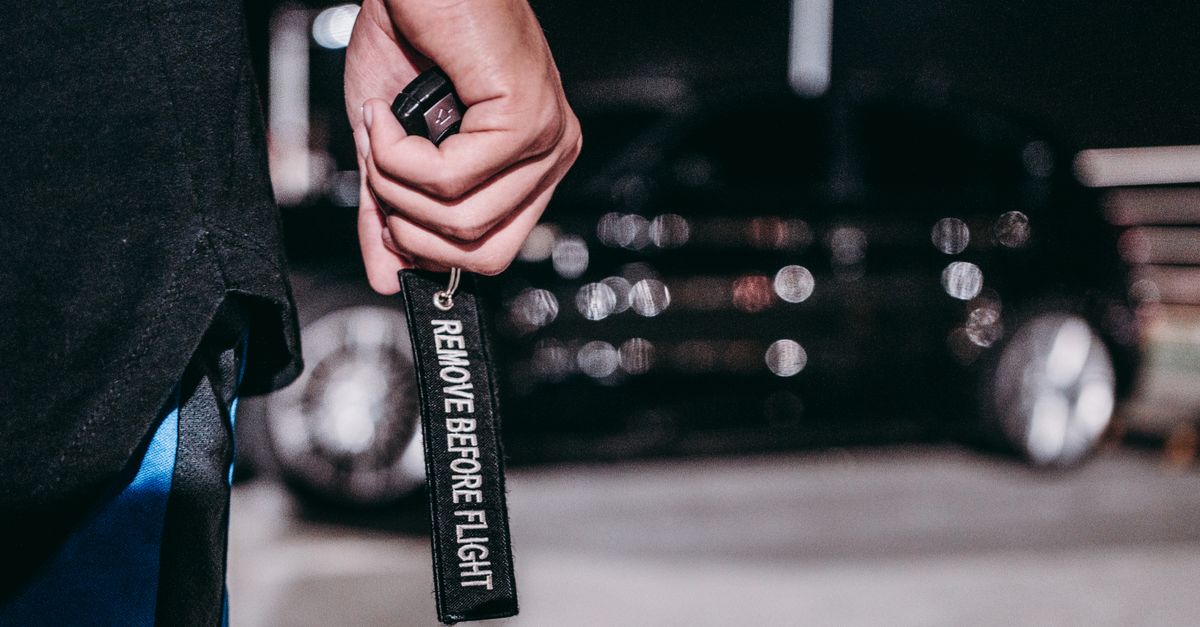
At Boston Surf Adventures, we see firsthand how modern electronic car fobs have turned a simple morning session at Nahant Beach into a serious security dilemma. The conventional ritual of attaching a combination lockbox to your vehicle hitch is broken, as opportunists routinely compromise these devices in under thirty seconds. Field evidence confirms that for solo surfers, the only secure protocol is bringing the vehicle key into the lineup with you, either by separating the mechanical backup key onto an internal wetsuit loop or sealing the electronic fob inside a heavy-duty silicone pouch.
Walk through any New England surf break parking lot and you will spot two gambles. A surfer either hangs a heavy numerical lockbox from a suspension spring, or glances around nervously before stuffing a fob behind a front-left tire. Both habits assume that thieves are unobservant. In practice, shorebreak parking areas are predictable hunting grounds where unattended vehicles sit unwatched for hours at a time.
The illusion of the lockbox and the tire stash
The habit of stashing keys near your vehicle relies on security through obscurity, which fails the moment someone watches you park. Surfers often assume that tucking an electronic fob into a wheel well, behind a front suspension strut, or under a nearby rock makes it invisible. An investigation published by Stab Magazine documented how even hiding a key wrapped in a beach towel resulted in an immediate vehicle theft, noting that thieves monitor parking lots specifically to target these predictable hiding routines.
Tire-well stashes carry an additional mechanical vulnerability on newer vehicles equipped with smart entry. If an active transponder sits within three to five feet of the door sensors, the vehicle remains unlocked to anyone who pulls the exterior door handle. Even when wrapped in foil or placed in a crude signal-blocking pouch, wheel-well placement is the first location any experienced thief checks.
Metal combination lockboxes offer no genuine improvement. These portable safes dangle from door handles, tow hooks, and coil springs, acting as an overt advertisement that the owner is out in the ocean. Professional locksmith demonstrations and security reports compiled by The Inertia demonstrate that standard four-dial combination lockboxes can be decoded or shimmed in less than thirty seconds with basic hand tools.
These external lockboxes also present structural and legal liabilities:
- Four-wheel-drive suspension mounting points expose the lock mechanism to road grit, saltwater mist, and sand, which frequently jams the internal tumblers.
- Vehicle proximity sensors often detect the key inside a thin-walled box attached to the door handle, leaving the vehicle accessible.
- Many automobile insurance carriers consider an externally secured key to be gross negligence, which can invalidate comprehensive theft claims if the vehicle is stolen without forced entry.

The mechanical key workaround
The simplest and most resilient way to enter the lineup is to separate the physical metal key from the electronic smart fob. Nearly every modern keyless entry vehicle contains an emergency mechanical key nestled inside the plastic fob casing. Sliding a small release latch allows you to pull this metal blade out in seconds.
+-----------------------------------------------------------+
|                   VEHICLE ENTRY COMPARISON                |
+----------------------+--------------------+---------------+
| Method               | Water Resistance   | Theft Risk    |
+----------------------+--------------------+---------------+
| Metal Mechanical Key | Impervious to salt | Extremely low |
| Electronic Fob Pouch | Seal-dependent     | Low           |
| External Lockbox     | Heavy corrosion    | High          |
| Wheel Well Stash     | None (open air)    | Extreme       |
+----------------------+--------------------+---------------+
A raw mechanical key contains no circuit boards, batteries, or transponders that can be damaged by Atlantic saltwater. Once separated, you can lock the vehicle doors manually using the exterior lock cylinder, leaving the electronic portion hidden deep within the vehicle cabin. The metal blade can then be tied directly to an internal wetsuit lanyard or secured inside an integrated key pocket.
Testing your vehicle's physical lock cylinder before heading out is mandatory. Because drivers use push-button start and wireless access daily, manual lock cylinders often accumulate road grime and salt crust. Insert the metal blade and turn it to lock and unlock the driver door while the vehicle is parked at home. Some vehicle models will trigger a perimeter alarm when unlocked mechanically until the fob is brought near the steering column, so check your owner manual to understand the precise alarm sequence before locking your primary electronics inside.
Waterproofing modern electronic fobs
Not every vehicle allows an isolated mechanical lockout. Many newer vehicles deploy continuous interior proximity sensors that refuse to lock if any part of the active fob remains inside the passenger cabin. Other vehicles lack an exterior keyway altogether. For surfers driving these models to spots along the Massachusetts coast, bringing the live electronic fob into the lineup inside a watertight housing is the only option left.
Saltwater submersion destroys modern circuit boards through electrolytic corrosion in minutes. Relying on sandwich bags, drug-store waterproof cases, or plastic zip pouches will eventually cause an expensive failure. A replacement smart key programmed by a dealership routinely costs between three hundred and six hundred dollars, not including towing fees from remote beach parking lots.
Surfers operating in rugged breaks require purpose-built marine enclosures that accommodate pressure shifts, heavy paddling impacts, and repeated duck dives.

Testing silicone waterproof pouches
Rigid plastic cases protect against blunt impacts, but their hinged plastic clips and rigid O-rings create high stress points when forced against a surfboard deck. Flexible, thick silicone enclosures offer far better reliability under dynamic ocean conditions.
In head-to-head surf equipment evaluations conducted at San Francisco's Ocean Beach by The Inertia, the KGUARD silicone pouch proved consistently watertight through heavy poundings in overhead surf. Constructed from durable, tear-resistant silicone, these pouches seal around the fob without rigid hinges or failure-prone sliding rails. The supple material allows you to feel and press the physical unlock buttons through the skin of the pouch, enabling you to lock and unlock the car at the tailgate without opening the watertight seal in a blowing, sandy wind.
Before using any flexible waterproof pouch with an electronic transponder:
- Inspect the silicone neck for micro-tears, debris, or salt crystals that could compromise the physical seal.
- Run a five-minute sink submersion test using a piece of dry tissue paper inside the pouch before trusting it with a live car key.
- Ensure you preserve a tiny pocket of internal air before cinching the seal, which provides emergency buoyancy if the case detaches in the wash.
Placement inside winter wetsuits
Where you carry an enclosed fob dictates whether it survives the session. Never tether an electronic pouch to an external leash string, boardshort pocket, or exposed ankle strap. Surf leash cuffs and boardshort pockets experience extreme hydrodynamic drag during wipeouts, which can rip key cords clean off the fabric.
The safest location for a waterproof key pouch is directly flat against the center of your chest, inside the outer layer of a chest-zip wetsuit. When dialing in a setup using the complete guide to wetsuit thickness for surfing in Massachusetts, you will find that a high-grade 4/3mm or 5/4mm cold-water suit provides ample compressive support across the upper torso. This neoprene compression pins the pouch immovably against your sternum, eliminating shifting while paddling.
Fasten the pouch lanyard to the internal elastic bungee loop sewn into the chest flap of the wetsuit. Once connected, tuck the pouch smooth and flat beneath the inner bib before zipping the shoulder entry closed. Because premium chest-zip suits feature tight neck seals to block cold water flushing, water pressure inside the chest cavity remains negligible throughout the session.
The protocol for phones and wallets
Securing the car key solves ocean access, but leaving other valuables exposed inside the vehicle creates a secondary risk. Experienced thieves patrol coastal parking areas watching for arrival routines. If a surfer steps out of their vehicle, opens the trunk, visibly drops a phone and wallet into the glove compartment, and immediately trots toward the dunes, the vehicle becomes an immediate mark.
Security protocols must begin before you pull into the beach lot:
- Stash phones, wallets, and high-value gear out of sight at home or at an inland stop prior to reaching the beach.
- Never use the center console, sun visor, or glove box as your drop zone, as these are cleared within seconds during a smash-and-grab.
- Silence phone notifications and disable vibration modes so lighted screens do not illuminate a dark car interior when messages arrive.
- If leaving an electronic key fob locked in the car while taking a mechanical blade into the water, wrap the hidden fob in a signal-blocking Faraday sleeve to prevent external proximity theft.
A disciplined routine removes the vulnerabilities that parking-lot thieves exploit. By relying on a mechanical key on your suit loop or bringing your protected fob into the surf within a tested silicone pouch, you take ownership of your gear security from the first paddle out to the drive home.
To dial in your cold-water hardware, boards, and accessories for the New England season, consult the No BS Gear Guide — Boston Surf Adventures or visit the Boston Surf Adventures home page to learn more about our coaching programs and sessions.
Filed under