The complete guide to wetsuit thickness for surfing in Massachusetts
At Boston Surf Adventures, we get asked about wetsuit thickness every day by surfers heading to Nahant Beach or Cape Cod. The short answer for surfing in Massachusetts is that you need a 3/2mm wetsuit for the summer months and a 4/3mm wetsuit for early fall hurricane swells. If you plan to surf year-round in New England, you will eventually need a quiver of at least two suits, peaking with a 5/4mm hooded fullsuit paired with boots and gloves to handle winter nor'easters. Water temperatures along our coast swing wildly across the calendar, so matching your neoprene to the specific month makes the difference between catching waves and cutting a session short from hypothermia.
Summer surfing in Massachusetts (June through August)
| Season | Typical Water Temp (°F) | Recommended Thickness | Required Accessories |
|---|---|---|---|
| Summer (June – Aug) | 62°F to 68°F | 3/2mm fullsuit | None |
| Fall (Sept – Nov) | 56°F to 66°F | 4/3mm fullsuit | 3mm boots (late fall) |
| Winter (Dec – March) | 35°F to 46°F | 5/4mm or 6/5mm hooded | 7mm boots, 5mm or 7mm mitts |
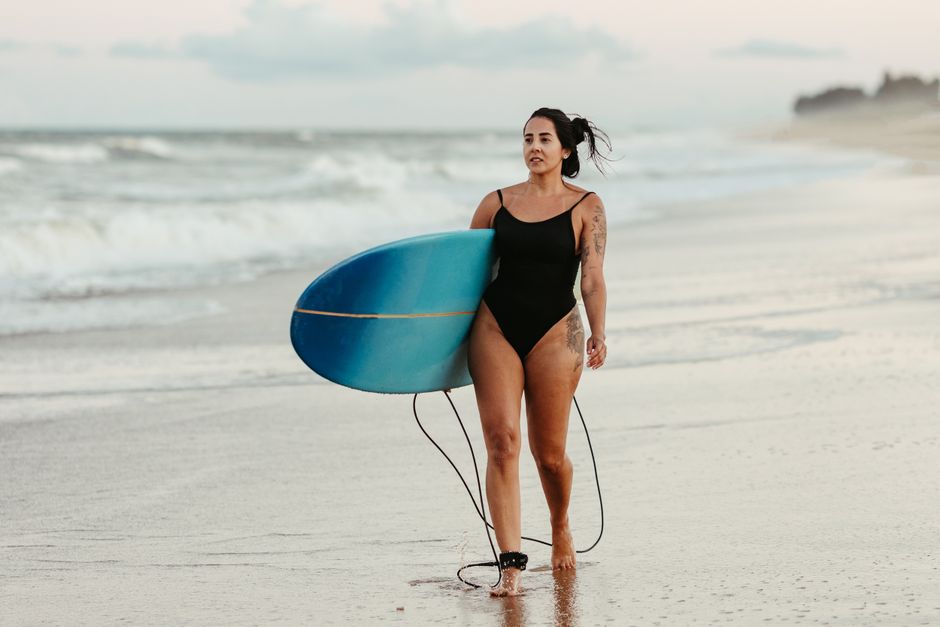
Summer brings the gentlest ocean conditions to the Greater Boston area. Between late June and August, Atlantic water temperatures hover between 62°F and 68°F, creating an approachable entry point for new surfers. While sunny July days in Massachusetts might tempt you to paddle out in boardshorts or a swimsuit, the Atlantic Ocean rarely stays warm enough for bare skin during extended sessions. A sudden southwest wind can trigger coastal upwelling, dropping ocean temperatures by ten degrees in a single afternoon.
A 3/2mm fullsuit is the gold standard for Massachusetts summer surf. The torso features three-millimeter neoprene to insulate your heart and lungs, while the two-millimeter limbs give your shoulders the freedom to paddle without fighting stiff rubber. Some surfers experiment with short-sleeve fullsuits or springsuits during hot August afternoons, but a 3/2mm fullsuit protects your knees from wax rash and keeps wind chill at bay during long morning sets.
If you are just dipping your toes into the sport, buying a collection of expensive suits before your first paddle-out makes little financial sense. In our weekend surf camps at Boston Surf Adventures, we provide properly fitted wetsuits and boards so you can get comfortable on the wave without buying a complete gear locker upfront. Working through foundational wave entry with a coach also strips away the confusion that beginners face when trying to figure out spots and gear by themselves, a challenge detailed in our look at DIY surf learning vs structured coaching: a New England comparison.

Fall hurricane swells across New England (September through November)
September and October bring the cleanest, most consistent waves of the year to the Massachusetts coastline. As tropical low-pressure systems push north through the Atlantic, groundswells light up beach breaks from Cape Cod to Cape Ann. Ocean temperatures during early fall remain surprisingly comfortable, lingering between 56°F and 66°F, but the air temperature drops rapidly once the sun dips below the horizon.
A 4/3mm wetsuit is the true workhorse of New England surfing. The extra millimeter across your chest, back, and thighs seals out the autumn bite while preserving enough flexibility for quick pop-ups. In September, a high-grade 4/3mm lets you stay in the water for three-hour sessions without feeling the slightest draft. By late October, pairing that same suit with a pair of 3mm boots keeps your feet responsive when the ocean dips below 58°F.
Data compiled in the Massachusetts Surf Guide notes that ocean temperatures peak around 67°F in August before starting their downward slide toward winter lows. Because fall delivers the best combination of wave quality and manageable temperatures, your 4/3mm will likely log more hours than any other suit you own. If you only have the budget to buy one brand-new suit for intermediate progression in Massachusetts, buy a premium 4/3mm and stretch its utility across late spring, summer mornings, and mid-autumn.
Deep winter and nor'easters (December through March)
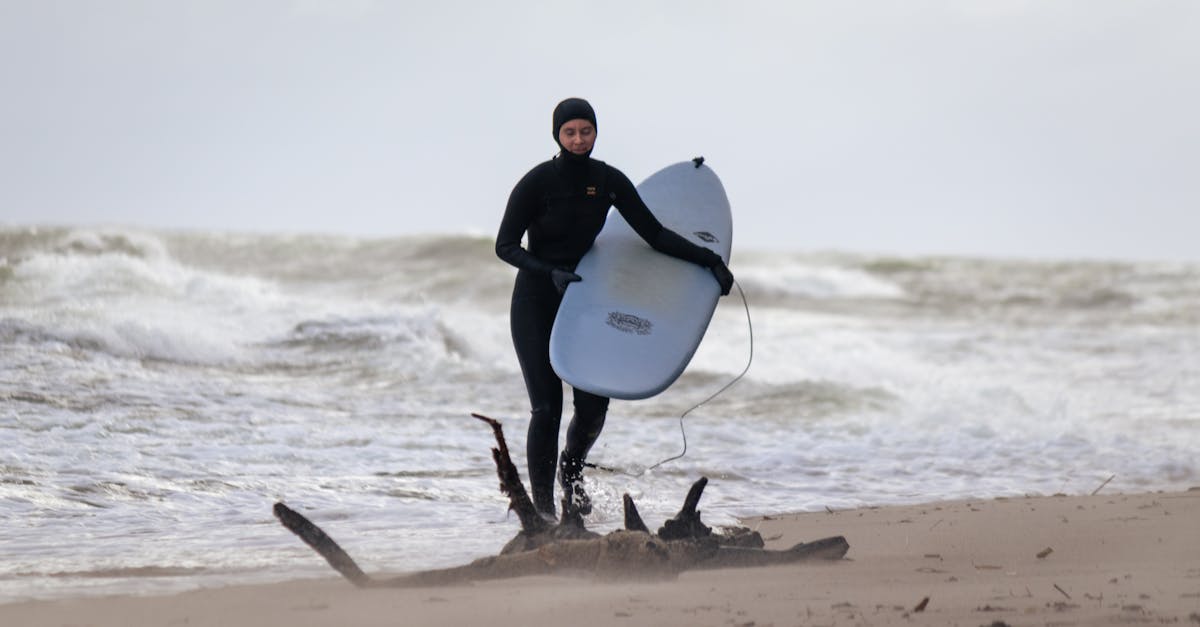
Surfing in Massachusetts between December and March is a serious endeavor that demands specialized heavy rubber. Nor'easters produce powerful, long-period groundswells during this window, but the environment is unforgiving. Ocean temperatures drop to between 35°F and 46°F, while offshore winds frequently drop air temperatures well below freezing. At this stage, your wetsuit is not just a comfort choice; it is functional safety gear.
A 5/4mm hooded fullsuit or a 6/5mm hooded fullsuit is mandatory for winter surf in Massachusetts. Five millimeters of neoprene across your torso and legs traps enough body heat to keep core blood flow stable, while four millimeters in the arms allows you to paddle into steep drops. In February, when sea smoke rises off the Atlantic and slush collects along the tideline, some Massachusetts surfers move up to a 6/5mm suit with thermal fleece lining for peace of mind.
For surfers looking to refine their technique without enduring sub-freezing winds, heading south during the coldest months is a proven path. Stepping away from heavy winter rubber allows you to focus on body mechanics, which we cover in our guide to fixing the intermediate surf plateau with daily video feedback in Puerto Rico. If you choose to brave the New England winter, however, you must protect your limbs with equal care.
Protecting your extremities (boots and gloves)
Cold water pulls blood away from your fingers and toes to protect your internal organs. If your extremities go numb, you lose balance, grip, and the physical dexterity required to pull your leash or climb out over rocks. In early winter, 5mm round-toe or split-toe boots will suffice, but by January, 7mm round-toe boots are standard equipment in Massachusetts. Round-toe designs keep your toes grouped together, conserving warmth far better than split-toe boots that isolate your big toe.
Hand protection follows the same logic. Five-finger gloves offer great grip, but the independent fingers bleed heat rapidly in water below 45°F. Veteran cold-water surfers choose 7mm three-finger mitts or lobster-claw gloves. Grouping three fingers together in one pocket retains body heat while leaving your index finger free to adjust your hood, zip your collar, and grab the rail of your board. Regional recommendations from E Street Surf School stress that skimping on boot or glove thickness ruins a winter session faster than having a thin main suit.
The built-in hood requirement
Never buy a winter wetsuit without an integrated hood. Modular, clip-on hoods leave an open seam at the base of your neck that flushes icy water directly down your spine the moment you duck-dive a wave. An attached hood creates a continuous seal from your crown down to your ankles.
A quality integrated hood features a cinch cord around the face opening and a small visor to keep freezing spray out of your eyes. In 38°F water, exposing your bare scalp triggers immediate, painful sphenopalatine ganglioneuralgia—the technical term for an ice-cream headache. A snug, flexible hood stops cold shock instantly and keeps your equilibrium intact after taking a heavy set on the head.
Essential wetsuit construction features for cold New England waters
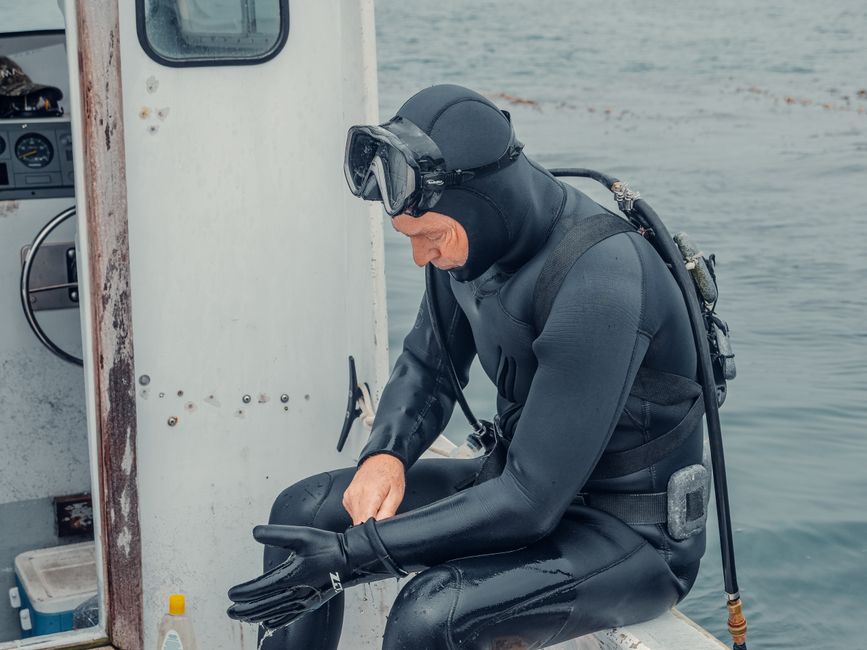
Selecting cold-water gear involves far more than checking the millimeter number printed on the wrist. If cold ocean water moves freely in and out of your suit, the neoprene cannot do its job. Water conducts heat away from your body roughly twenty-four times faster than air, as documented by Rip Curl, which makes construction quality your primary barrier against the elements.
- Glued and blind stitched (GBS) seams with internal liquid taping
- Chest-zip or zipperless entry systems rather than standard back zips
- Fast-drying thermal fleece linings on the chest, back, and thigh panels
- Smooth-skin wind-blocking panels across the exterior torso
- Reinforced ankle and wrist seals with silicone grip gaskets
Glued and blind stitched (GBS) seams
Standard flatlock stitching punches holes straight through the neoprene panels, letting cold water seep through every seam line on your body. Flatlock seams work fine for warm summer rash guards, but they fail completely in Massachusetts waters below 60°F.
Quality fall and winter wetsuits rely on glued and blind stitched (GBS) construction. Manufacturers glue the neoprene edges together first, then drive a curved needle through the rubber without piercing the inside face. For true winter durability, look for internal seam taping or external fluid rubber welds. These extra seals block leaks and reinforce high-stress zones under your arms and across the crotch.
Chest zip versus back zip
Back-zip suits are easy to step into, but the long vertical zipper down the spine creates a major structural vulnerability. Rigid back zippers do not stretch with your torso as you paddle, and water frequently flushes through the zipper teeth when a wave breaks across your shoulders.
A chest-zip entry uses a shorter, angled zipper across the collarbone, creating an unbroken sheet of neoprene across your back. This construction stops water from rushing down your spine during wipeouts and frees up your upper body for fluid paddling. Zipperless suits offer even better flexibility, though they require a bit more wrestling to get into in a cold parking lot.

What most surfers get wrong about Massachusetts rubber
Choosing winter and shoulder-season surf gear involves a few subtle traps. Surfers who relocate from warmer regions or purchase their first setup online often make assumptions based on how normal street clothes fit. Avoid these two common pitfalls before spending money on cold-water gear.
Sizing up for comfort
The single most common mistake beginners make is buying a wetsuit that feels comfortable on the sales floor. If a wetsuit slides on easily and feels roomy around your lower back or underarms in a heated shop, it will fail in the ocean. Neoprene works by trapping a microscopic film of water between the rubber and your skin; your body heat warms that thin layer, which then acts as an insulator.
If your suit is too large, ocean water sloshes through the torso with every duck dive. Your body burns tremendous energy constantly trying to warm fresh infusions of freezing water, leading to exhaustion within thirty minutes. A new wetsuit should feel tight, almost constricting, when dry. As soon as you submerge, the neoprene softens and stretches to conform to your body shape.
Skimping on boot and glove thickness
Surfers often blow their entire budget on a premium Japanese neoprene suit, then buy cheap 3mm gloves and summer booties to save fifty dollars. That strategy backfires every time. Your core can handle a slight drop in insulation, but your feet and hands contain very little muscle mass to generate localized heat.
When your fingers freeze, your grip slips on the rail, ruining your pop-up mechanics. When your feet go numb, you lose the board feel required to set an edge on an open face. Invest in proper 7mm boots and heavy mitts for December through March. You will catch more waves in a mid-tier 5/4mm suit with warm hands than in a top-tier suit with frozen fingers.
Getting in the water with the right gear
Surfing in Massachusetts does not require suffering through freezing water without protection. By choosing a 3/2mm suit for summer, stepping into a 4/3mm for the autumn swell season, and suiting up in a hooded 5/4mm with 7mm rubber for winter nor'easters, you stay comfortable through every swell cycle New England offers.
If you are starting out or want to test the waters before buying your own gear quiver, join us at Nahant Beach. At Boston Surf Adventures, our coaches provide all necessary wetsuits and boards during our programs, letting you focus on catching waves while staying completely warm. Check conditions, pick your season, and suit up with confidence.
Filed under