Boston Surf Adventures wants every prospective surfer to understand that true wave progression is impossible without absolute confidence in your safety protocols. This guide outlines how to audit a surf school's swim survival and ocean endurance requirements before you ever touch the sand at Nahant Beach. To guarantee a secure learning environment, you should only book with an ISA Certified Surf School that mandates baseline water competency and employs coaches certified as beach lifeguards. By aligning with safety parameters established by the International Life Saving Federation, new surfers can protect themselves from preventable ocean hazards and build a foundation for long-term progression.
Baseline water survival skills you actually need
Before you paddle out into the ocean, you must possess specific self-rescue capabilities. Many operators assume that if you can swim in a backyard pool, you are ready for the open ocean. This assumption is dangerous.
- Safe water entry and exit: Entering the surf zone through shorebreak without losing balance or control.
- Underwater exhalation with eyes open: Blowing continuous bubbles under the surface to manage panic and maintain spatial awareness.
- Horizontal floating: The ability to rest on your back without active paddling to conserve energy during an emergency.
- Treading water: Maintaining your head above the surface for at least one minute using basic leg and arm movements.
These specific skills form the foundation of physical safety in the surf zone. The WA Department of Education Swim Program framework outlines these as non-negotiable benchmarks for open-water environments. If you cannot execute these movements, the ocean will quickly overwhelm your physical capacity.
Underwater exhalation is especially important. When a wave knocks you off your board, water pressure and turbulence will temporarily disorient you. If you hold your breath, carbon dioxide builds up rapidly in your bloodstream, triggering a panic response. Exhaling calmly underwater keeps your heart rate stable and allows you to think clearly when you resurface.
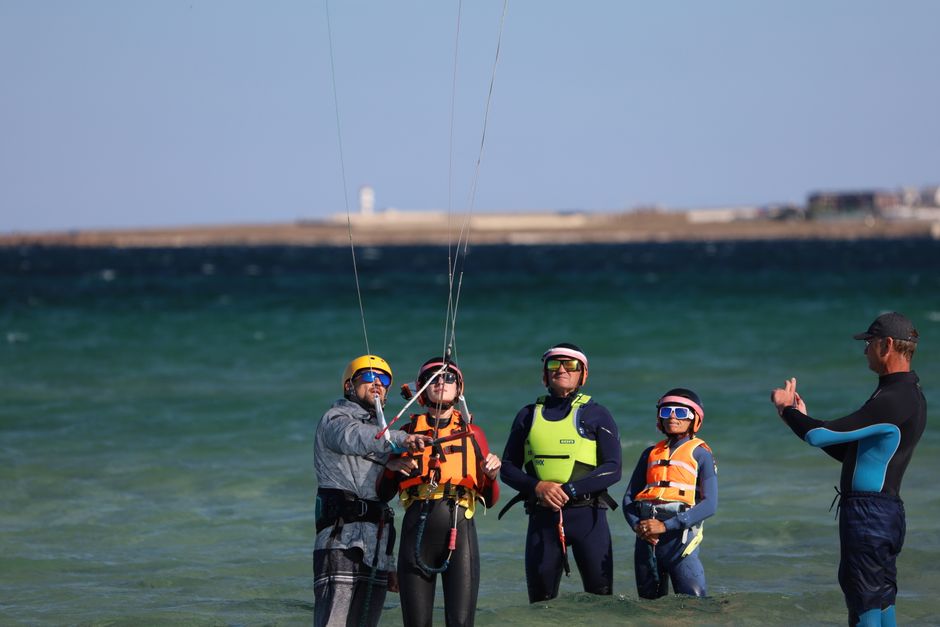
Floating and treading water are your primary survival tools if you are separated from your board. In New England waters, cold temperatures can cause immediate hyperventilation. Knowing how to immediately roll onto your back and float allows you to catch your breath and assess your surroundings without burning energy.
Comparing surf school safety and certification models
Not all surf schools operate under the same safety protocols. To help you evaluate your choices, Boston Surf Adventures has structured a comparison of the typical safety models you will find along the coast.
| Option | What it's best for | Price range | Key tradeoff |
|---|---|---|---|
| Uncertified tourist operations | Low-cost, casual beach play on vacation | $40 - $80 | High risk, zero formal safety standards, no swim check |
| Standard lifeguard-staffed camps | Basic supervision in a general beach area | $100 - $150 | Lack of structured technical instruction, large groups |
| ISA Certified intensive programs | Accelerated, safe technical progression | $280 - $600 | Higher upfront cost, requires active student participation |
Using an uncertified tourist operator is a gamble. These operations often treat safety as an afterthought, hand you a board, and leave you to figure out the rip currents on your own.
An ISA Certified Surf School, such as Boston Surf Adventures, is held to international standards of instruction and safety. As New England's only ISA Certified school, our curriculum is audited by the worldwide governing body for surfing. This certification guarantees that every instructor knows how to read ocean topography, manage groups in changing tides, and teach biomechanically sound habits.
When comparing programs, look at the value included. For example, our weekend surf camp package is priced at $289, down from the regular $600 price, with a total value of $1,180. This includes four structured lessons, the Surfology 101 classroom program, and ocean fitness preparation. This level of structure ensures you learn how to handle the ocean safely rather than just hoping for the best on a cheap rental board.
Ocean endurance vs. pool swimming
A common mistake among new surfers in the Greater Boston area is assuming that pool fitness translates directly to ocean fitness. Laps in a calm, heated indoor pool do not prepare your shoulders for the relentless resistance of moving seawater.
The ocean is constantly moving. Tides change, longshore currents drag you down the beach, and wind creates choppy surface conditions. In a pool, you can touch the bottom or grab the lane line whenever you get tired. At Nahant Beach, you must rely entirely on your physical endurance and comfort in deep water.
To bridge this physical gap, Boston Surf Adventures includes the Swim to Surf Fitness Program as a core bonus in our weekend training package. This program focuses on specific paddling mechanics, back endurance, and explosive pop-up mobility. By building these targeted muscle groups on land and in calm water, you avoid the extreme fatigue that leads to panic in the lineup.

Additionally, cold water requires more energy to navigate. New England waters can be chilly, which increases your caloric burn and tires your muscles faster. A structured physical preparation plan ensures your body can handle the temperature drop without cramping or losing paddling power. Read more about evaluating these requirements in our guide on How to audit a Northeast surf school's ocean safety protocols.
How to audit a school's instructor-to-student ratio
The safest curriculum in the world is useless if one coach is trying to watch fifteen people spread across a football-field-sized surf zone. When auditing a school, you must ask for their exact instructor-to-student ratios.
We cap our summer programs to guarantee direct supervision. Our Boston Summer Surf Camps explicitly limit groups to five or fewer students per coach. This small ratio means your coach is never more than a few feet away, ready to assist if a wave knocks you off balance.
A low ratio also means faster progress. When a coach only has to watch five students, they can watch every wave you catch, analyze your body mechanics, and give immediate corrections. In larger groups, you spend most of your time floating in the water waiting for feedback while your coach is distracted by other swimmers.
Verifying lifeguard and CPR credentials
Do not take a surf school’s safety claims at face value. Ask if their instructors hold active beach lifeguard certifications. All in-water coaches at Boston Surf Adventures are certified lifeguards, and all on-land staff members are CPR certified.
Our founder, Grant Gary, is a former school teacher with over 15 years of teaching experience who trains our staff in custom ocean rescue techniques. This educational background means our team manages the water with the structured discipline of a classroom, not the casual attitude of a beach rental shop. Experienced clients like Teresa Chappel have noted that this structured support helps campers learn how to be self-sufficient, confident surfers.
The necessity of dry-land safety briefings
A professional surf school will never hand you a board and send you straight into the water. Every session must begin with a structured dry-land safety briefing.
During this briefing, instructors should outline the beach boundaries, identify active rip currents, explain how to signal for assistance, and demonstrate proper board handling. If a school skips this step to save time, they are compromising your safety before the lesson even starts.
Common misconceptions about beginner safety
Many beginner surfers carry false assumptions about ocean dynamics. These misunderstandings can lead to dangerous situations in the water.
The "foam board as a floatation device" myth
A surfboard is an athletic tool, not a life jacket. Many beginners assume that because they are wearing a leash attached to a large foam board, they do not need to be strong swimmers. This is a highly dangerous myth.
Leashes can snap. Velcro can fail under the pressure of a strong wave. If your leash breaks, your board will instantly float away on the whitewater, leaving you to swim back to shore through the breaking waves. If you do not possess the baseline swim survival skills outlined in the National Swimming and Water Safety Framework, you will find yourself in immediate danger. Your primary safety tool is always your own swimming ability, never your equipment.
Equating shallow water with zero risk
Many adult beginners assume that because they are practicing in waist-deep water, there is no real danger. However, the shallow surf zone is actually where most minor injuries occur.
Waves break in shallow water, creating turbulent whitewater that can easily knock you off balance. The ocean floor is not flat; inshore holes, sandbar drops, and sudden troughs can change the depth in a matter of steps. A wave can toss a heavy surfboard into your path, or the sand can drop away beneath your feet, leaving you in deep water. This is why active, professional supervision is required even when you are just standing in the shallows.
Planning your next steps
If you are ready to transition from casual swimming to riding ocean waves, you must prioritize your water safety. Take the time to audit the safety protocols of any school you consider. Verify their certifications, ask about their swimmer screening processes, and ensure their coaches are certified lifeguards.
For those in the Greater Boston area looking for a structured, safety-first environment, visit Boston Surf Adventures to explore our weekend camps and summer programs. Our team is ready to help you build real, lasting confidence in the ocean under the guidance of certified professionals. You can learn more about our structured progression and safety promises at our stand-up guarantee page.