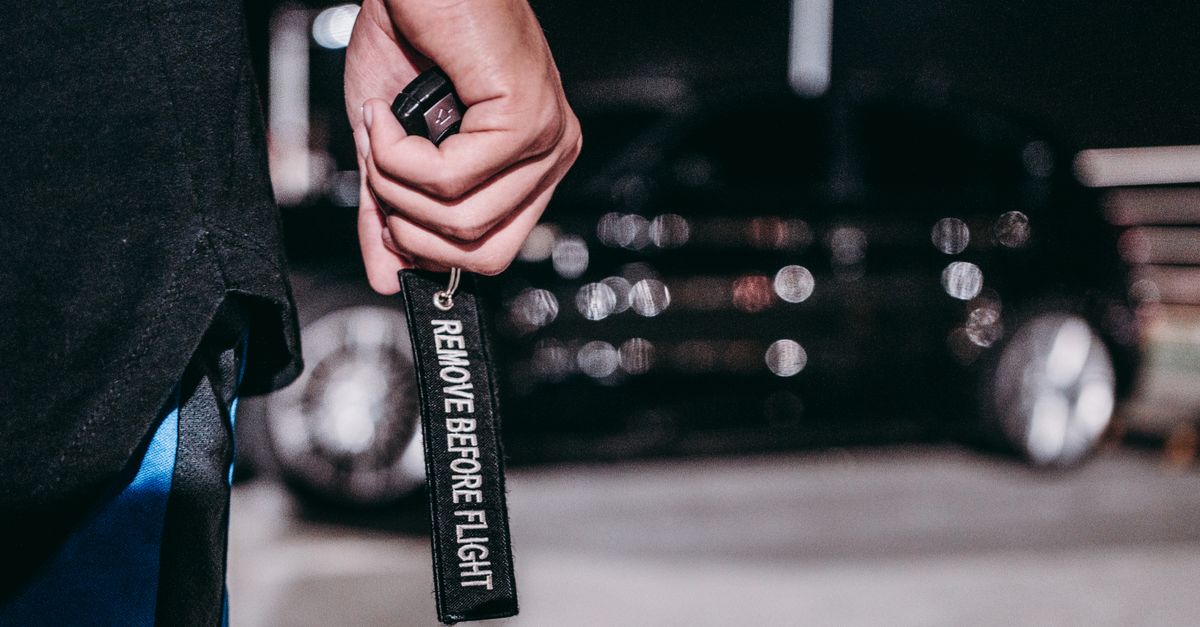
Storing your car keys while surfing: waterproof pouches vs lockboxes
Boston Surf Adventures breaks down the two most reliable ways to secure your car keys when surfing alone: wearing a waterproof pouch under your wetsuit or attaching a heavy-duty combination lockbox to your vehicle. For solo surfers handling modern electronic smart keys, a tested waterproof pouch worn flush against your body remains the most secure method against vehicle theft and insurance disputes. Mechanical backup keys pair cleanly with heavy-duty metal lockboxes attached to a tow eye, provided you avoid leaving digital transponders inside. Making the right decision protects you from expensive fob replacements and keeps your mind on the waves at Nahant Beach.
Quick verdict: which key storage option wins?
If you are packing your board and heading to the beach right now, here is how the choice breaks down for solo surfers:
- Electronic smart keys with proximity sensors: Waterproof pouches win because taking the key into the water eliminates vehicle theft risk and prevents proximity sensors from leaving your doors unlocked.
- Traditional mechanical valet keys: Metal lockboxes win because a blank metal key carries zero water damage risk and locks quickly to your vehicle frame.
- High-theft beach parking lots: Waterproof pouches win because visible external lockboxes act as a neon sign telling thieves exactly where your original key is stored.
- Multi-surfer sessions: Lockboxes win because multiple surfers can use the combination code to access dry clothes and towels at different times.
Burying your keys under a towel in the sand or stashing them above your front left tire are habits that invite disaster. Modern electronic fobs pack sensitive printed circuit boards, proximity transponders, and battery systems into a single casing. Salt water ruins these components in seconds. At the same time, car thieves patrol surf spots looking specifically for people tucking small items into wheel wells or under plastic bumpers.
Choosing between bringing your key into the water or locking it to your chassis comes down to balancing water damage against physical theft. For solo surfers training in New England waters, carrying an electronic key on your body inside a dedicated pouch carries far lower catastrophic risk than gambling with a lockbox on an unattended car.

Understanding your storage options at the beach
Every surfer who drives alone to the coast eventually faces the car key problem. At Boston Surf Adventures, we see plenty of creative mistakes in the parking lot before people learn what actually holds up to ocean conditions. The two standard tools on the market approach security from opposite directions: one isolates your electronics from salt water while you paddle, while the other isolates your mechanical key behind hardened steel while you stay in the lineup.
Waterproof on-body pouches
A waterproof key pouch is a soft silicone, polyurethane, or rigid plastic case designed to seal an electronic car key against water pressure. Quality units feature multi-fold roll closures, double zip-tracks, or mechanical cam levers that clamp a thick silicone gasket shut. Brands like KGUARD and Aquapac use flexible casings that fit comfortably inside the chest zip of a wetsuit or flat against your lower back.
When worn correctly, the pouch sits between your base layers or directly against your skin inside your neoprene. The wetsuit pressure holds the case stable so it does not bounce or dig into your ribs while paddling. In its beach safety guidance, the NSW Police Force fact sheet advises securing waterproof pouches tightly to the body rather than around your neck. Ocean waves can easily snap thin neck cords or drag a floating lanyard over your head during a wipeout.
External lockboxes and key safes
An external key safe is a heavy metal box with a combination dial and a hardened shackle, similar to a realtor lockbox. You secure the shackle around a structural steel anchor point on your vehicle, drop the key inside the vault chamber, and scramble the combination. Popular models like the FCS KeyLock Safe or the Master Lock Safe Box use cast zinc or steel shells to resist casual tampering.
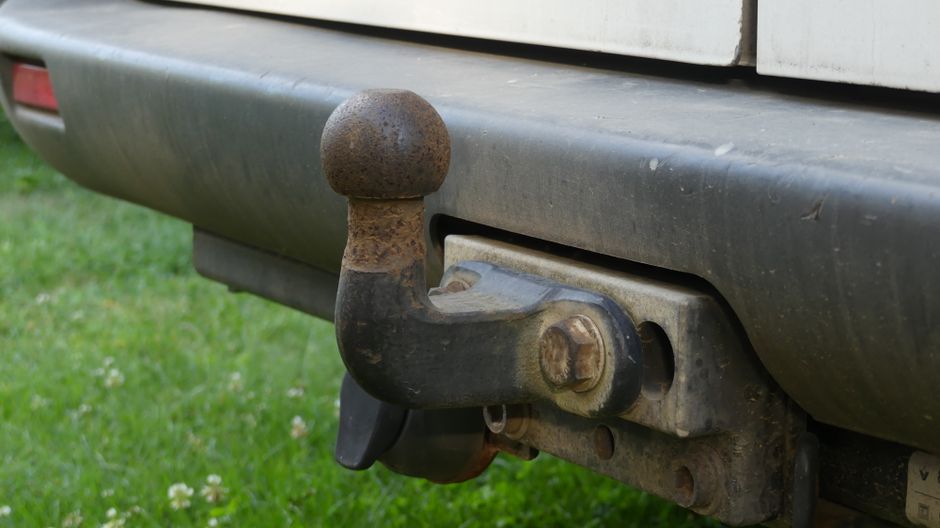
The safest mounting point on most surf vehicles is a welded rear tow eye or the suspension spring behind a tire, keeping the box off painted body panels. However, smart keys create a severe complication here. If your car uses a proximity sensor that unlocks doors when the fob is within five feet, locking that fob to your rear bumper can leave your entire car unlocked. Surfers using a lockbox with a modern vehicle must wrap the fob in specialized radio-frequency shielding fabric or use a flat, non-electronic mechanical key instead.
Head-to-head comparison: security, water protection, and convenience
Both systems have clear strengths, but they fail in very different ways. A lockbox protects your key from moisture but exposes your car to forced entry. A waterproof pouch protects your vehicle from theft but places an expensive electronic device inches away from high-pressure salt water.
| Decision factor | Waterproof pouches | External lockboxes | Clear winner |
|---|---|---|---|
| Vehicle theft resistance | Key stays on your person in the lineup; leaves no target on car | Box broadcasts key location; vulnerable to pry bars and hammers | Waterproof pouches |
| Water intrusion defense | Relies on mechanical seals; failure destroys key electronics | Zero water exposure; key stays completely dry on vehicle chassis | External lockboxes |
| Insurance coverage clarity | Leaves no legal ambiguity if the car is broken into | Insurers may classify external boxes as negligence | Waterproof pouches |
| Ease of use when solo | Requires careful positioning under tight neoprene | Fast combination dial; locks and unlocks in under ten seconds | External lockboxes |
| Proximity key compatibility | Easy; key is safely removed from the car's detection radius | Difficult; requires radio-blocking sleeves to stop auto-unlocking | Waterproof pouches |
Theft security and insurance risks
The primary weakness of an external key safe is visibility. Hanging a lockbox from your door handle or tow loop signals to every passerby that the original vehicle key is right there. While heavy-duty models resist casual hand tools, thieves armed with pry bars, bolt cutters, or small angle grinders can force them open in minutes.
The insurance consequences can be severe. In SURF Mag's analysis of beach key safety, European insurance representatives pointed out that storing an original key in an exterior lockbox creates major legal ambiguities under comprehensive theft policies. If a thief breaks the lockbox and drives your car away using the genuine key, insurers often argue gross negligence, leaving the owner without coverage. Taking your key into the water with a waterproof pouch eliminates this entire problem because no key remains near the car.
Water damage protection
Salt water destroys electronics through both direct short-circuiting and rapid galvanic corrosion. If a drop of ocean water enters a key fob housing, the electrical current from the battery immediately begins eating through copper traces on the circuit board. Even if you rinse the fob with fresh water afterward, the damage is usually permanent.
Replacing a modern proximity key fob costs between $300 and $600 once you factor in dealership programming fees. Lockboxes win hands-down on pure moisture safety because the key never touches the water. With a waterproof pouch, you are staking that replacement fee on the physical integrity of a plastic seam or silicone latch. High-grade pouches handle wipeouts without issue, but user error, such as trapping sand in the seal, can compromise the enclosure.
Convenience and ease of use
Lockboxes offer effortless transitions in the parking lot. You peel off your clothes, lock the key to your hitch, set the dials, and walk to the sand. When you return freezing from a winter session, you punch in the code and open your heated cabin in five seconds flat.
Waterproof pouches demand discipline. You must inspect the seal for stray grains of sand or hair before closing it. Fitting the pouch inside your wetsuit takes patience, especially when dressing alone in cold wind. As reviewers on Surf Learner point out, sliding a pouch flat between your shoulder blades without a friend to help can feel awkward. If the pouch shifts against your sternum, it can press uncomfortably against your chest while you paddle.
Cost and practicality comparison
The upfront purchase price of surf security gear is trivial compared to the cost of a replacement fob or a stolen vehicle. The table below outlines what you pay across standard equipment tiers and what physical protection you get for your money.
| Gear tier | Price range | Build material | Practical reliability |
|---|---|---|---|
| Budget PVC pouch | $10 – $18 | Thin PVC with plastic sliding clamps | Fine for calm swimming; prone to pinhole punctures in heavy surf |
| Heavy-duty silicone pouch | $25 – $45 | Thick molded silicone or multi-layer TPU | Excellent puncture resistance; seals reliably through hard wipeouts |
| Standard lockbox | $25 – $40 | Cast zinc alloy with plastic dial covers | Good casual theft deterrent; vulnerable to heavy leverage tools |
| Hardened vehicle safe | $55 – $90 | Hardened forged steel with heavy shackles | High physical strength; adds significant weight to travel packs |
Weight and maintenance are real factors over time. Steel key safes like the Abus Key Garage Flex weigh almost two pounds. For local day trips from downtown Boston to Nahant, that weight sits harmlessly in your trunk. But if you pack for a surf trip to Puerto Rico or California, carrying heavy steel locks eats into your airline baggage limits.
Lockboxes also require constant maintenance in marine environments. Salt spray and blowing sand work their way into the rotating number wheels. If you do not rinse the dials with fresh water and apply dry lubricant regularly, the tumblers seize up, leaving you locked out in the parking lot after a long session.
Silicone and TPU pouches do not suffer from salt corrosion. Their primary maintenance requirement is keeping the seal track clean of sand and storing them away from sharp objects like wax combs and fin keys.
Matching your choice to your surf routine
Your vehicle type, key design, and surfing habits dictate which tool makes sense. For surfers transitioning from DIY surf learning vs structured coaching, mastering gear logistics on land is one of the first steps toward building confidence in the water.
Choose waterproof pouches if...
- Your car uses an integrated push-to-start smart key that cannot be separated from its electronics.
- You regularly surf alone at urban beaches or unsupervised parking turnouts where thieves watch for surfers hiding keys.
- You want zero risk of insurance disputes if an intruder forces entry into your vehicle while you are in the lineup.
- You travel by air for surf trips and need an ultralight security solution that adds no weight to your board bag.
Choose lockboxes if...
- You have a traditional, flat metal valet key that can unlock the driver's door manually without triggering a car alarm.
- You share sessions with a partner, allowing whoever gets tired or cold first to unlock the car and get warm.
- Your vehicle features an accessible steel tow hook or hitch receiver hidden away from direct view of the main road.
- You surf in thick winter rubber (like 5mm or 6mm wetsuits with attached hoods) where squeezing an extra item inside your suit feels too restrictive.
Neither option is right if...
Leaving an unprotected proximity fob inside an unshielded exterior lockbox is an invitation to auto theft. If someone walks up to your car, pulls the door handle, and the vehicle opens because the key sits two feet away on your tow hook, your security system has failed completely.
Similarly, wearing a pouch on a thin neck cord outside your wetsuit is a recipe for losing your key to the ocean floor. The drag of an overhead wave will pull a loose lanyard off your neck instantly. If you bring your key into the water, it must sit underneath your neoprene, tethered securely to an internal key loop.
The final verdict for solo surfers
For the vast majority of solo surfers driving modern vehicles, a premium waterproof pouch worn under your wetsuit is the safest choice. The physical inconvenience of tucking a small pouch into your suit is minor compared to the financial and legal fallout of vehicle theft. A lockbox hanging on a bumper is an obvious advertisement of value, and the insurance ambiguities of leaving an original car key outside your vehicle are simply not worth the risk.
If you prefer the mechanical convenience of a lockbox, visit a local hardware shop or locksmith and have a bare metal key blade cut from your original. Leave your expensive electronic smart fob locked inside the glove compartment, shut the vehicle, lock the driver door with the cut metal blade, and hang that blank metal key inside the lockbox on your tow eye. That setup eliminates proximity sensor issues, protects your $400 electronics from water damage, and keeps your key secure.
Dialing in your equipment setup removes needless anxiety from your surf sessions. For more practical advice on building out your cold water kit, read our No BS Gear Guide. And when you want to take your surfing past the basics with structured coaching, video feedback, and all gear provided, book an adventure with the team at Boston Surf Adventures. Focus on reading the water, catching waves, and advancing your skills instead of stressing over your car.
Filed under